


Partner training software is a learning platform purpose-built for educating an external channel — resellers, distributors, integrators, agencies, franchisees — about a vendor's products, processes, certifications, and value proposition. In 2026, partner training software (sometimes called partner LMS or channel learning) is a critical piece of channel enablement, sitting alongside the PRM and CRM in most modern partner programs.
TL;DR
- Top 2026 partner training picks: Teachfloor (cohort + certifications), Allego, Mindtickle, Showpad, Brainshark (now Cleartelligence), Litmos, TalentLMS, LearnUpon.
- Best for cohort-based partner onboarding: Teachfloor — combines live sessions, async modules, certifications, and analytics.
- Best for sales-readiness scoring: Mindtickle, Allego.
- Key features to require: certifications, branded portals per partner, multi-tenant branches, gamification, completion analytics.
- Common mistake: choosing a generic LMS without multi-branch / white-label support — partner training breaks if you can't isolate content per partner.
Partner programs are expanding quickly in 2026, which puts more pressure on enablement teams to keep partners trained, certified, and aligned. New partners join often, products change faster, and global programs need a simple way to stay consistent. That makes choosing the right partner training platform more important than ever.
The truth is that not every LMS is built for partner ecosystems. Some tools handle self paced learning well, but fall short on live training. Others offer deep customization but take a long time to implement. Many look similar, so it can be hard to know which one actually fits your program and workflow.
This guide provides a practical comparison of the top partner training platforms in 2026. We looked at how each platform performs in real enablement scenarios, including onboarding, certifications, automation, content updates, and program scalability, and we also highlight the limitations you should keep in mind.
Whether you are launching your first partner academy or supporting a large global network, this breakdown helps you understand what each platform does best and which one is most likely to grow with your program.
Evaluation Criteria for the Best Partner Training Software
When choosing a partner training platform, it helps to look beyond basic LMS features and focus on what actually supports a growing partner ecosystem. Here are the core criteria that matter most in 2026.
Criteria Requirements Evaluation Guide 1 Scalability CRITICAL
- Multi-tier partner networks
- Multi-language support
- Regional content delivery
- No performance degradation
Test with expected partner volume Can it handle 10,000+ partners across 20+ countries? 2 Certification CRITICAL
- Quiz tools & graded assignments
- Certification issuance
- Expiration tracking
- Compliance visibility
Check certification workflow Does it automate renewals and send expiration alerts? 3 Automation CRITICAL
- Auto-enrollment triggers
- Automated reminders
- CRM integration
- SSO & partner portals
- API access
Map your tech stack needs Will it sync with your partner management tools? 4 Analytics HIGH
- Partner progress dashboards
- Certification status tracking
- Content performance insights
- Segmentation capabilities
Review sample reports Can you segment partners by region, tier, or performance? 5 Security HIGH
- SSO support
- GDPR compliance
- SOC 2 certification
- Secure hosting
- Audit logs
Verify security certifications Does it meet your industry's regulatory requirements? 6 Ease of Use MEDIUM
- Intuitive course builder
- Manageable admin interface
- Partner-friendly UX
- Mobile accessibility
Request team demo Can non-technical staff create courses without training? 7 Pricing & TCO CRITICAL
- Clear pricing structure
- No hidden usage limits
- Transparent storage fees
- Integration costs included
Calculate 3-year total cost What happens to pricing when scaling to 10,000 partners?
1. Teachfloor (Most Complete Partner Training Platform in 2026)
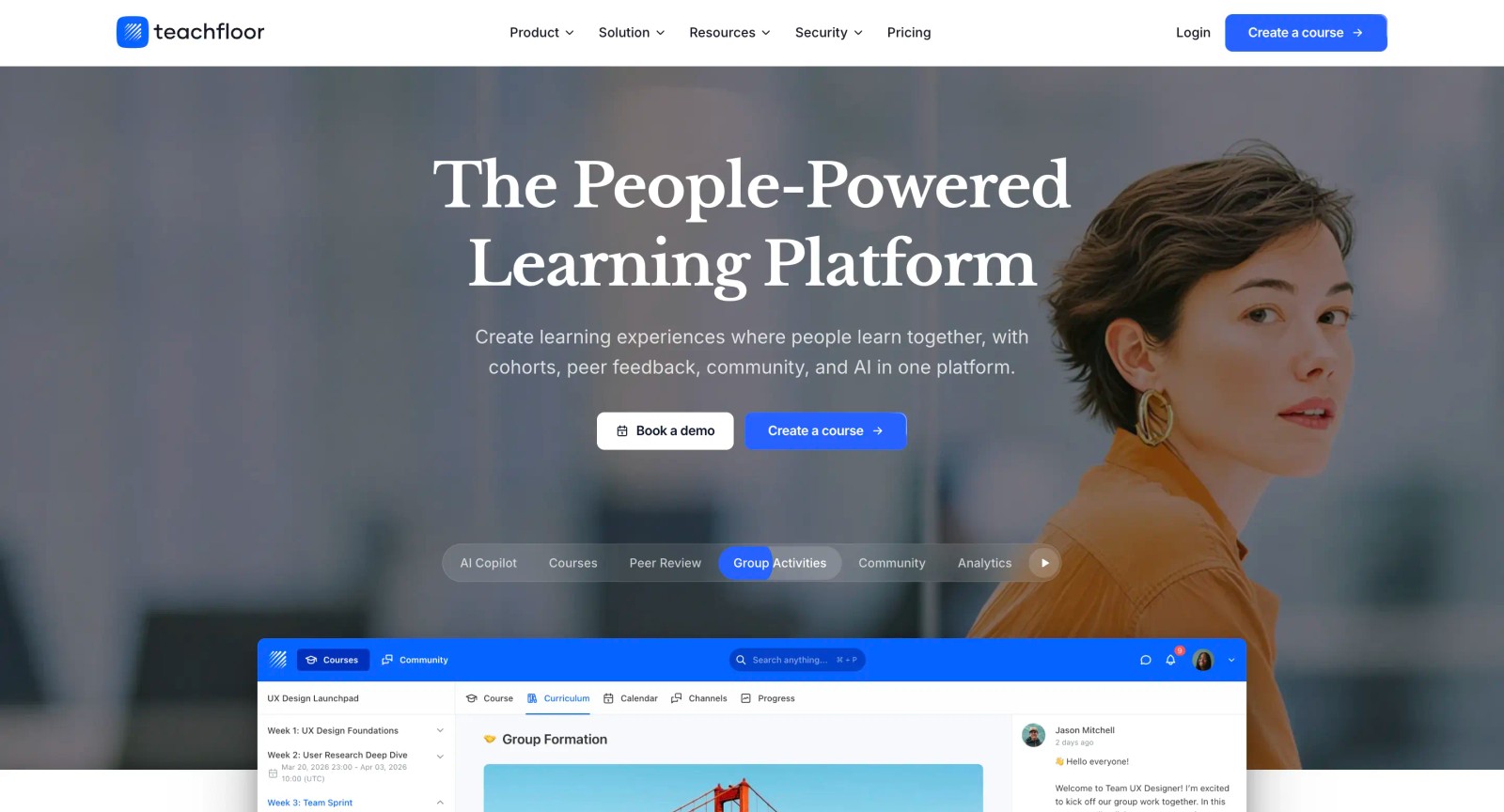
Teachfloor is built for teams that want partner training software that feels easy to use without giving up depth. It brings live sessions, self-paced learning, certifications, and community tools into one place, so partner enablement teams can run everything from onboarding to advanced product training without juggling multiple platforms.
The experience is simple for partners and predictable for admins, which makes it a strong fit for growing channel programs that want structure without complexity.
Teachfloor works especially well for partner ecosystems that keep evolving. When products update often or new partners join regularly, teams can update a course once and instantly keep everyone in sync.
The platform offers enough flexibility for small partner groups but can also scale into global programs with many regions and partner types.
Key Features
- Cohort based training for running guided onboarding cycles
- Live sessions built directly into the platform through native Zoom integration
- Asynchronous learning paths with videos, assignments, quizzes, and discussions
- Certification workflows that issue, store, and track partner credentials
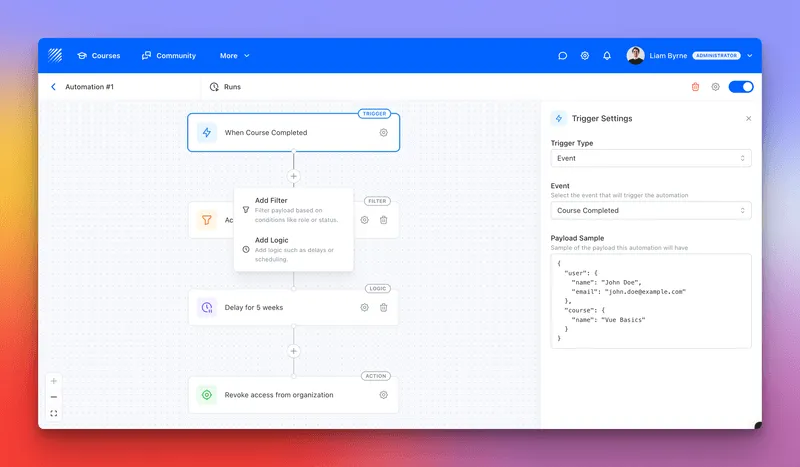
- Automations for enrollment, reminders, completions, and content updates
- Advanced analytics with partner level insights and progress tracking
- Full white labeling for branded partner academies
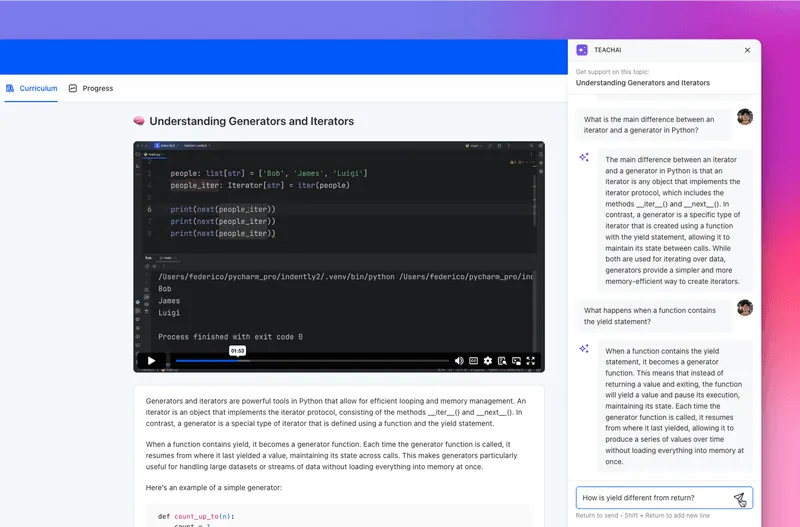
- TeachAI for generating course materials, assessments, and learning support
Why It Stands Out in 2026
Teachfloor solves several gaps that partner LMS platforms often overlook. Many tools focus only on self-paced courses, but partner training usually needs live walkthroughs, Q&A sessions, and hands-on guidance, especially when products ship updates frequently.
Teachfloor lets teams mix live and asynchronous training in a way that feels natural for partners.
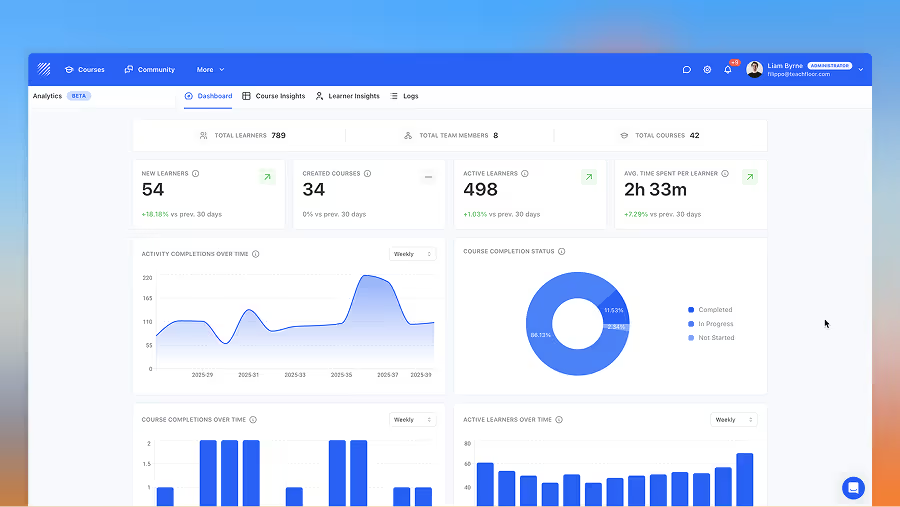
Automation is another strong point. Instead of manually enrolling every new partner or chasing certification renewals, Teachfloor handles these tasks automatically. Partner managers get clean analytics that show who is trained, who needs follow-up, and which groups are ready to sell or support the product.
The platform’s TeachAI capabilities make course creation smoother. Teams can build partner onboarding flows, quizzes, or learning content in a fraction of the time. This is especially helpful for companies that update product features often and need their partner training to keep pace.
Ideal For
- SaaS partner programs
- Reseller and distributor training
- Affiliate education
- VAR programs with frequent product updates
- Global partner networks that need a mix of live and self-paced learning
Potential Drawbacks
Teachfloor is optimized for modern partner enablement workflows, but teams that need extremely complex enterprise LMS configurations may want deeper customization layers.
2. Docebo (Best Enterprise Ready Partner Training Platform)
Docebo is a strong option for organizations that manage large and fast moving partner ecosystems. It is designed for programs that need structure, automation, and the ability to support different partner tiers without losing clarity.
Many L&D teams choose Docebo because it handles complex learning models while still giving partners a clean experience. The platform feels reliable even when the number of partners, regions, and product lines grows quickly.
Docebo fits naturally into environments where training needs to sync with existing systems like Salesforce or a partner portal. It offers a high level of configurability, which gives L&D leaders more control over how content is assigned and how performance is monitored.
That flexibility makes it easier to keep learning aligned with the company’s partner strategy instead of forcing teams into a rigid setup.
Key Features
- AI based recommendations that help partners discover relevant training
- Multi tenant structure for segmenting partner groups
- Custom learning paths for onboarding and ongoing enablement
- Detailed reporting with granular filters
- Integrations with CRM, SSO, and partner systems
- Certification tools for product readiness and compliance
Why It Stands Out in 2026
Docebo’s reputation comes from its ability to handle scale without sacrificing stability. It supports multilingual catalogs, regional training variations, and segmented partner journeys with ease. The automation engine is another highlight. Admins can set up rules for enrollment, reminders, renewals, and recommendations, which reduces manual work and helps partners stay engaged.
Ideal For
- Enterprise-level partner programs
- Global reseller and distributor networks
- Partner ecosystems with multiple access levels
Potential Drawbacks
The platform requires more setup time than lighter LMS tools, and pricing is best suited for larger organizations. Smaller programs may find it more extensive than necessary..
3. LearnUpon (Best Fast Adoption Partner Training Platform)
LearnUpon is a practical choice for teams that want partner training software that gets up and running quickly. It is known for its clean interface and straightforward learning structure, which makes it easy for partners to understand where to start and what to complete next.
Many organizations pick LearnUpon when they want a partner LMS that does not require weeks of configuration but still offers enough structure to run solid onboarding, product education, and certification programs.
It works especially well for companies that are expanding their partner program but do not need the heavy enterprise layers found in more complex platforms. The platform strikes a good balance between usability and capability, which helps both admins and partners move through training without friction.
Key Features
- Multi-portal setup for separating partner groups and product lines
- Custom learning paths for onboarding or ongoing partner enablement
- SCORM and video support for flexible content formats
- Basic automation for enrollments and reminders
- Reporting dashboards with clear partner progress insights
- Built-in certification tools for readiness and compliance
Why It Stands Out in 2026
LearnUpon offers one of the smoothest learning experiences in this category. Partners do not need long orientation sessions to figure out how to use it, which helps adoption rates stay high.
It is also reliable for teams that update content frequently since the platform makes revisions simple and distributes changes instantly across all partner groups.
Ideal For
- Mid sized partner programs
- Resellers and referral partners
- Companies that want a clean, intuitive partner training platform
- Teams rolling out structured onboarding for the first time
Potential Drawbacks
Customization depth is more limited compared to enterprise platforms, and advanced automation options are lighter. Teams with very large or complex partner ecosystems may eventually outgrow it.
4. TalentLMS (Best Lightweight Partner Training Platform)
TalentLMS is a good fit for teams that want partner training software that is simple, quick to set up, and easy for partners to navigate. It focuses on keeping learning straightforward, which works well for programs that do not need heavy configuration or complex certification structures.
Many companies choose TalentLMS when they are launching partner training for the first time and want something that feels approachable for both admins and partners.
The platform offers enough flexibility for building basic onboarding paths, short product lessons, and recurring updates, which makes it practical for partner programs that are still growing.
Key Features
- Branches for organizing different partner groups
- Simple quiz builder and assessments
- Basic automation for enrollments and reminders
- White labeling for branded partner academies
- Gamification options to encourage completion
- Support for videos, SCORM, and simple content formats
Why It Stands Out in 2026
TalentLMS is one of the fastest platforms to get running. Teams can import content, create partner learning paths, and launch training without a steep learning curve.
This helps partner enablement programs build momentum early instead of getting stuck in setup phases. It is also reliable for smaller partner ecosystems that need clarity more than complexity.
Ideal For
- Small to mid-sized partner programs
- Affiliate and referral education
- Companies introducing partner onboarding for the first time
Potential Drawbacks
The platform does not offer the deep analytics or advanced automation that larger partner networks often need. It works best when training requirements stay simple.
5. Litmos (Best Compliance Focused Partner Training Platform)
Litmos is often chosen by teams that need partner training software with strong compliance support. It works well for companies that require clear documentation, renewal cycles, and structured certification for partners who handle technical products or regulated services.
The platform keeps learning organized and gives admins reliable tools for tracking who is certified and who needs follow-up.
Key Features
- Built in certification and renewal workflows
- Large course library for quick training deployment
- Mobile friendly learning for partners on the go
- Flexible assessments for product and compliance training
- Integrations with CRM and business systems
Why It Stands Out in 2026
Litmos delivers predictable compliance functionality, which is valuable for partner programs that need accurate records and consistent training standards. It is strong at helping teams keep certifications updated without relying on manual reminders.
Ideal For
- Distributor and service partner training
- Programs with strict compliance requirements
Potential Drawbacks
The interface feels dated compared to newer platforms, and community tools are limited for partners who prefer interactive learning.
6. Absorb LMS (Best Flexible Partner Training Platform for Complex Programs)
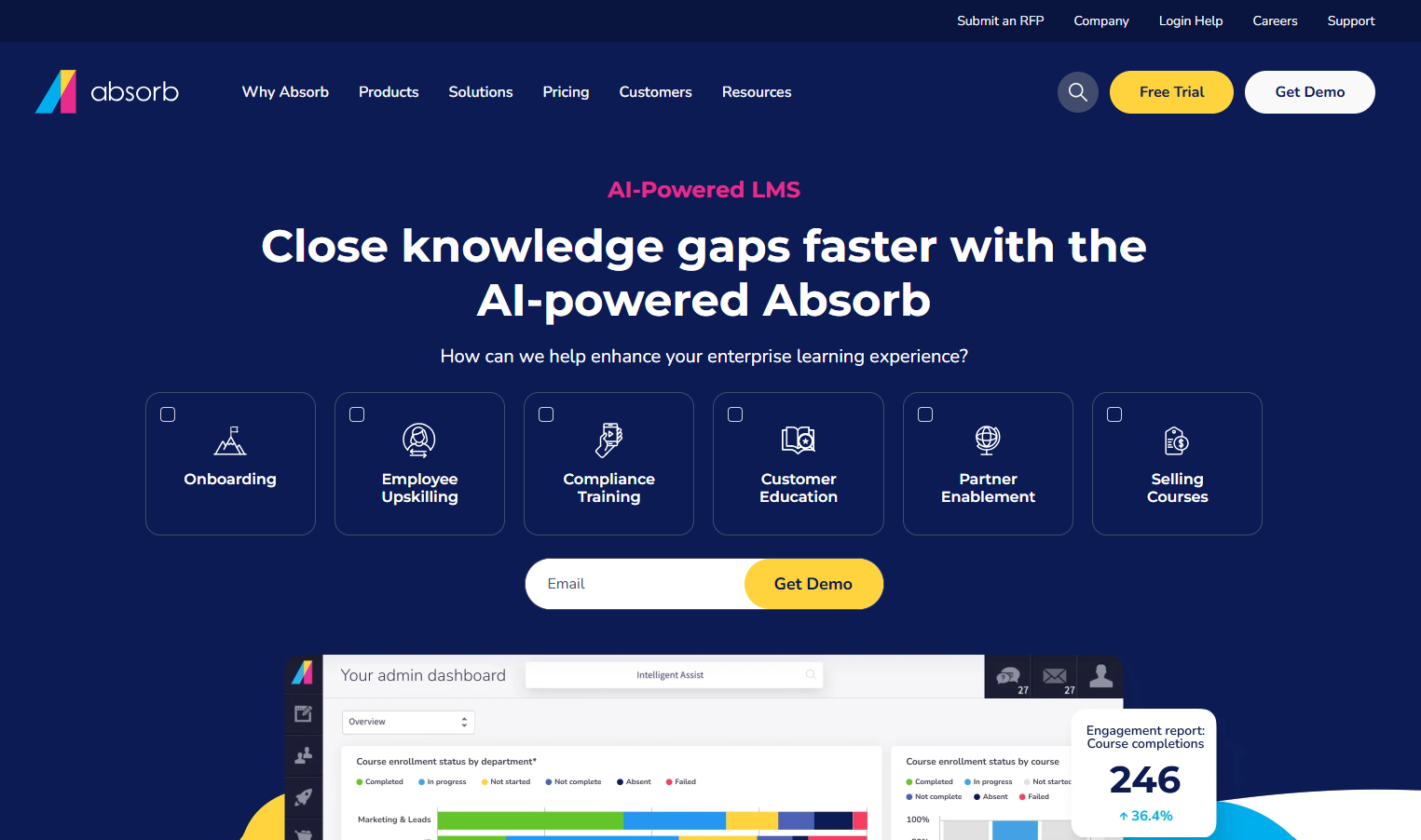
Absorb LMS works well for organizations that have layered partner structures and need a platform that can adapt to different learning paths. It is known for its flexibility and for giving admins a high level of control over how content is organized, assigned, and delivered.
Partner enablement teams often choose Absorb when they want a platform that can support both simple onboarding and more complex regional training programs.
Key Features
- SmartEnroll automation for targeted partner enrollment
- Multi-portal access for different partner segments
- Detailed analytics for tracking certification and progress
- eCommerce options for paid training if needed
- Support for SCORM, xAPI, and a wide range of formats
Why It Stands Out in 2026
Absorb LMS enables teams to tailor partner learning experiences based on partner type, territory, or product line. This makes it a strong fit for programs that need structure but also customization.
Ideal For
- Large partner networks
- Channel teams with complex training requirements
Potential Drawbacks
Setup takes time, and pricing can increase with advanced features.
7. Skilljar (Best Integration Friendly Partner Training Platform)
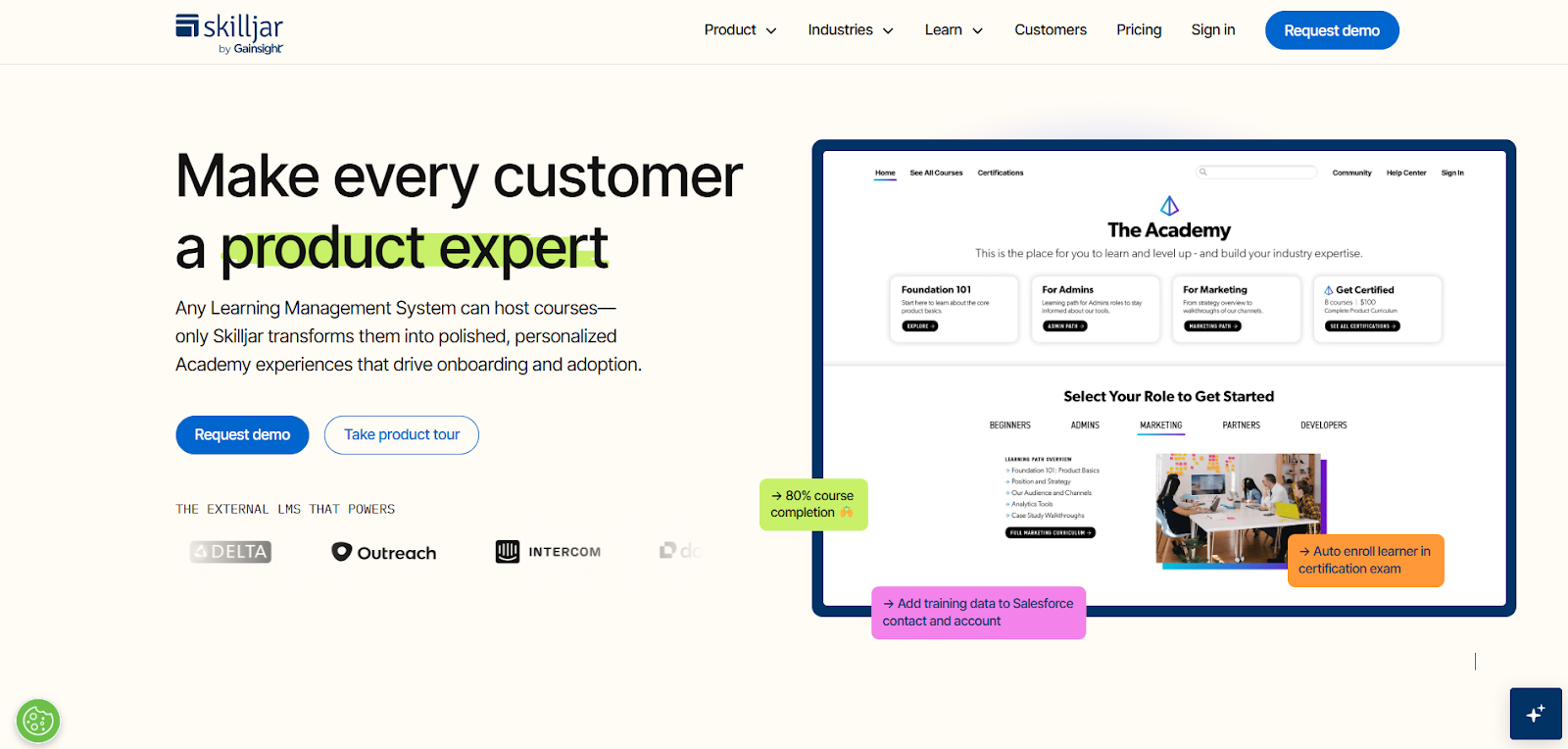
Skilljar is a popular option for teams that want partner training software that connects cleanly with their existing systems. Many companies choose it when partner activity already flows through Salesforce, HubSpot, or a custom portal because Skilljar makes it easy to plug training directly into that workflow. It focuses on delivering a polished learning experience while giving admins strong control over how content and certifications are managed.
Key Features
- Deep integrations with CRM and customer experience platforms
- Custom-branded partner portals
- Certification and exam tools for product readiness
- Flexible content support, including video, SCORM, and hands on lessons
- Detailed analytics for tracking partner engagement and course performance
Why It Stands Out in 2026
Skilljar shines in organizations where training is tightly connected to sales or customer operations. Being able to sync partner progress with a CRM helps teams understand which partners are truly ready to represent the product.
Ideal For
- Technical SaaS partner programs
- VARs and distributors with CRM driven workflows
Potential Drawbacks
Pricing is on the higher side, and advanced configurations often require more setup time.
8. Northpass (Best Simple Partner Training Platform for Growing Teams)
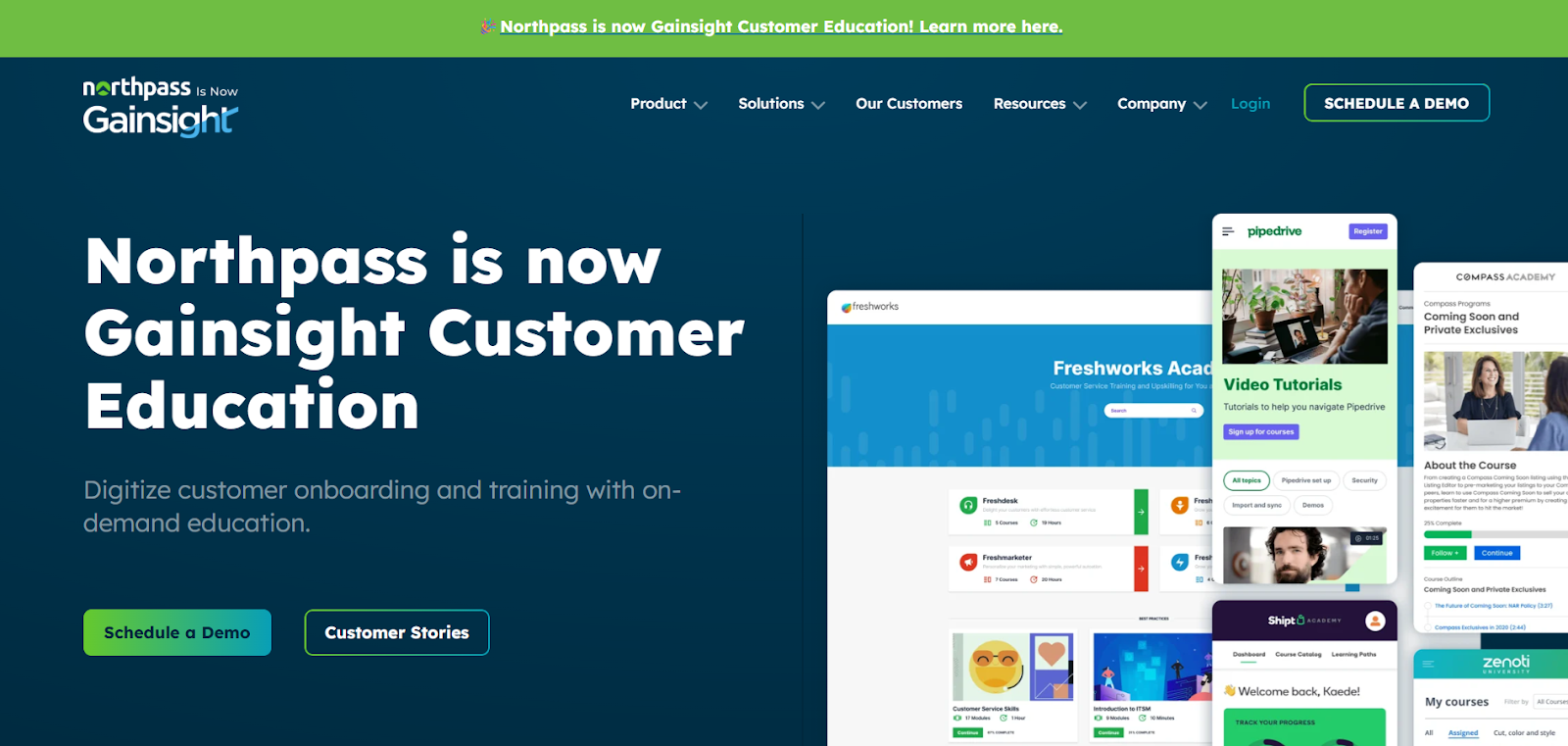
Northpass is a good match for teams that want partner training software that stays simple while still covering the essentials. Companies often choose it when they need a clean, modern learning experience without the complexity of larger enterprise platforms.
It works well for partner programs that focus on clear onboarding, straightforward product education, and easy access to updates.
Key Features
- Branded partner portals that feel intuitive
- Certification builder for basic readiness tracking
- Multi-domain setup for separating partner groups
- Support for video, SCORM, and interactive content
- Integrations with common CRM and SSO tools
Why It Stands Out in 2026
Northpass keeps partner learning manageable for teams that do not want heavy administration. The platform is easy to adopt, which helps partners get through onboarding and ongoing training without confusion.
Ideal For
- Small to mid-sized partner programs
- Affiliate and referral partners that need straightforward training
Potential Drawbacks
Northpass offers fewer advanced automation and analytics options, so larger or more complex partner ecosystems may eventually need more flexibility.
Conclusion
Finding the right partner training platform really depends on how your program works and how quickly you need partners to get up to speed. Each tool in this list has strengths, but Teachfloor stands out for teams that want something powerful without the usual complexity.
It is one of the few platforms that blends live training, self-paced learning, certifications, and automation in a way that actually feels simple for partners and admins.
The other platforms offer solid options too, especially for very large or highly specialized ecosystems. Still, if you want a modern partner academy that stays easy to manage as your program grows, Teachfloor is one of the most balanced and practical choices to start with.
A good platform should help partners learn more quickly, stay aligned, and feel confident in representing your product. Choosing the one that fits your real workflow will make all the difference.
Frequently asked questions
What is partner training software?
Partner training software is a learning platform purpose-built for educating an external channel — resellers, distributors, integrators, agencies, franchisees — about a vendor's products, certification paths, and processes. It typically supports certifications, multi-tenant branding, completion analytics, and integration with the PRM.
How is partner training different from internal employee training?
Partner training reaches an external audience you don't control — partners have their own priorities, time pressures, and motivations. Effective partner training needs to be self-serve, on-demand, mobile-friendly, gamified, certification-driven, and tied to clear partner-side benefits (deals, badges, MDF eligibility).
What's the best partner training software in 2026?
For mid-market vendors running structured cohort onboarding and certification programs for partners, Teachfloor is the strongest pick — multi-tenant branches, white-label per partner, certifications, live + async, and analytics in one platform. For pure sales-readiness, Mindtickle and Allego are top picks.
Do I need a PRM and partner training software?
They solve different problems. A PRM manages the partner relationship (deals, MDF, leads, contracts). Partner training software manages the learning (certifications, enablement courses, knowledge checks). The two integrate to gate partner-tier benefits behind required certifications.
How much does partner training software cost in 2026?
2026 pricing typically ranges from $10K–$30K/year for SMB tiers to $50K–$250K+ for enterprise platforms. Cohort LMS platforms with partner features (Teachfloor Full Features) sit in the middle and tend to deliver better ROI for vendors with structured partner programs.


