


Working with volunteers can be one of the most fulfilling parts of nonprofit life. When things go well, their energy and commitment feel priceless. But anyone who has managed volunteers also knows the challenges that come with it, from missed shifts to last minute questions to the feeling that the whole system could run a little smoother.
If you’ve ever wondered whether there is an easier way to keep everything organized, you’re definitely not alone. Volunteers today expect clarity, flexibility, and roles that genuinely matter. When nonprofits provide that, volunteers stay longer and feel more connected to the mission.
This guide gives you a simple, friendly roadmap for building a volunteer experience that actually works. You will learn how to recruit, train, support, and engage volunteers in ways that feel natural and human, no matter the size or age of your program.
What Effective Volunteer Management Looks Like Today
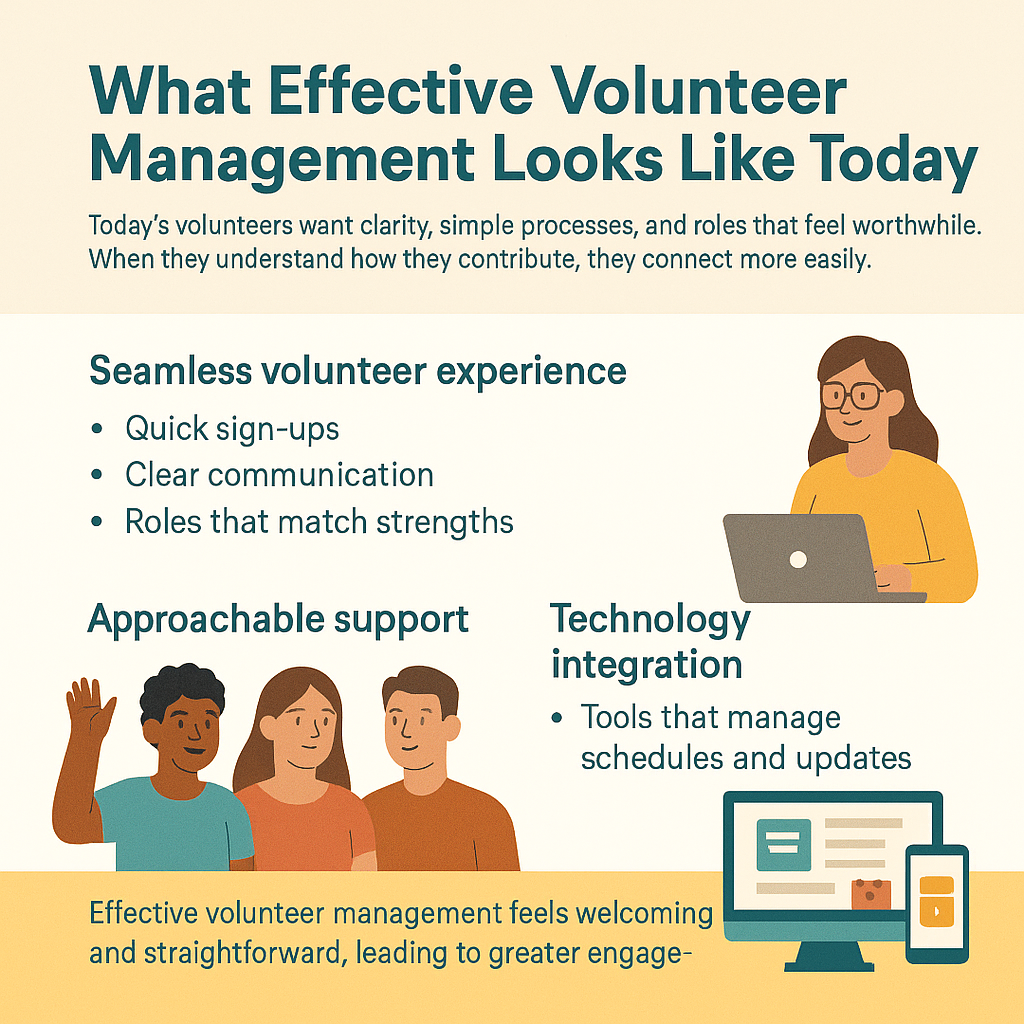
Volunteer work has changed a lot in recent years. People still want to help, but they also want clarity, simple processes, and a role that feels worth their time. When volunteers know where they fit and how their work supports the mission, they settle in quickly and feel genuinely connected.
Today’s volunteers expect an experience that’s as easy as the rest of their daily life. Quick sign ups, clear communication, and roles that match their strengths make a big difference. Some bring specialized skills. Others just want a meaningful way to contribute. Offering a range of options helps everyone find a place that feels right.
Learning professionals play an important role here. They turn mission goals into clear, approachable guidance and create training that helps volunteers feel confident from the start.
Technology also supports this shift. Tools that manage schedules, updates, and training in one place make volunteering easier for both staff and volunteers.
Effective volunteer management today is all about creating a human, supportive experience. When things feel simple and welcoming, volunteers bring more energy and tend to stay involved longer.
Creating a Strong Volunteer Management Strategy
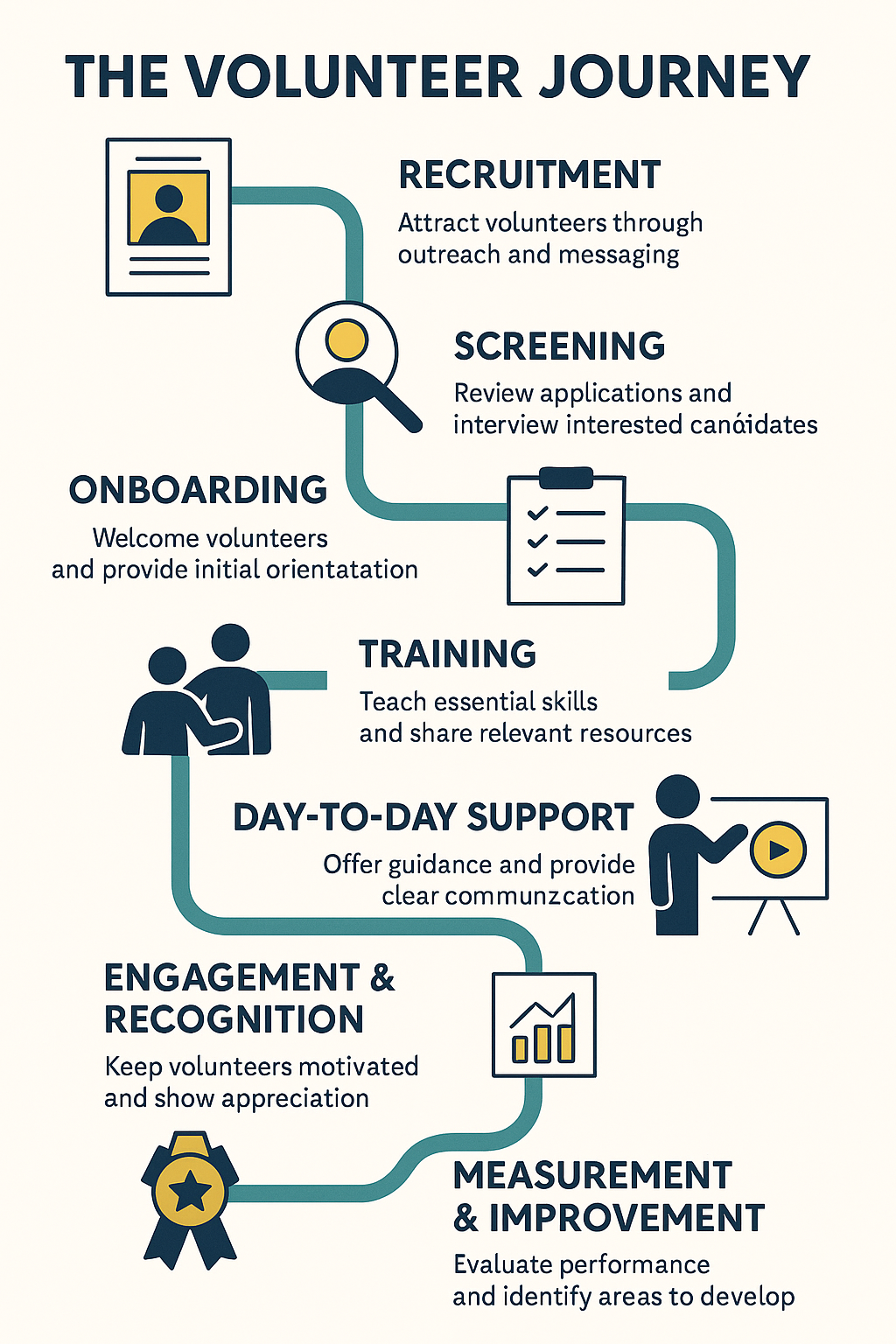
A strong strategy gives your volunteer program direction and helps your team avoid guessing their way through day to day decisions. It sets the foundation for everything that comes next and keeps the experience clear for both staff and volunteers.
Figuring Out What Your Team Actually Needs
Before you can invite volunteers into your world, you need a clear picture of where they fit. Most nonprofits juggle so many moving parts that it is easy to assume “we need help everywhere.” But when you look closely, certain spots always stand out. Maybe you need more hands during events, or someone who can keep your inbox from exploding, or a few people who love mentoring. Getting specific helps your team feel prepared instead of scrambling once volunteers arrive.
Why Someone Would Choose Your Organization
Volunteers aren’t just looking for something to do. They want a meaningful experience. Maybe they want to learn a skill, connect with a cause, or feel part of a community. When you understand why someone would choose your organization over another, you can speak to that directly. This is your volunteer value proposition, and it naturally attracts people who genuinely care about what you do.
Keeping Your Goals Simple and Measurable
A strategy doesn’t need to be complicated. You just need a few clear markers that tell you whether the program is working. Maybe you track how many volunteers stay active over the year, how many hours they contribute, or how their work impacts a specific project. These numbers help you make smart adjustments without feeling buried in data.
A Strategy That Feels Good for Everyone
When you have a thoughtful plan, volunteers feel welcomed into a system that makes sense, and staff feel less overwhelmed. It creates a smoother experience on both sides and builds a program that grows with intention instead of chaos.
Recruiting Volunteers Successfully
Recruiting volunteers is not just about filling open roles. It is about helping people feel excited to contribute and giving them a clear path into your organization. When the process feels friendly and easy to follow, volunteers show up with more confidence and a stronger sense of purpose.
Helping People Understand the Role
Recruitment usually starts with clarity. Volunteers want to know what they are actually signing up for. A straightforward description of the responsibilities, time commitment, and ideal strengths helps people decide if the role fits their life. When the picture is clear, volunteers feel more confident stepping forward.
Getting Your Opportunities in Front of the Right People
Visibility makes a huge difference. Some nonprofits rely on volunteer platforms or social media. Others work with schools, community groups, or companies that encourage employee volunteering. The more places your roles appear, the more likely you are to connect with people who genuinely want to help.
Turning Interest Into a Helpful Conversation
Once someone reaches out, screening becomes part of the process. This stage is not about weeding people out. It is about making sure the role feels right for them. A short application or an easy conversation can reveal what motivates them and what they feel comfortable doing. If a role involves children or vulnerable groups, background checks may be necessary, but volunteers often understand they are simply safeguards for everyone involved.
Giving New Volunteers a Welcoming Start
When someone decides to join, onboarding shapes their early experience. A warm introduction to your mission, values, and basic procedures helps them feel grounded. Volunteers appreciate knowing who to contact, how communication works, and what tools they will use. Checklists, short videos, or simple guides can make the first week feel manageable instead of overwhelming.
Training and Upskilling Volunteers
Training is one of the most valuable parts of volunteer management for nonprofits. Volunteers often bring strong motivation but may not have the exact skills you need. A thoughtful training plan ensures everyone feels capable and supported in their role.
Training can take many forms. Some volunteers need a brief introduction to safety procedures or communication tools. Others may need deeper instruction for specialized roles. Breaking training into short modules helps people learn at a comfortable pace, especially if they balance volunteering with other commitments.
Interactive learning tends to work well. Demonstrations, quick practice activities, and real scenarios help volunteers feel more confident. Microlearning, where content is delivered in short bursts, is often easier to absorb and remember.
Ongoing development keeps volunteers engaged over time. Offering new training opportunities gives people a chance to grow, try new roles, or take on leadership responsibilities. This helps maintain energy within the program and supports retention.
Supporting and Managing Volunteers Day to Day
Daily support is what keeps a volunteer program running smoothly. Volunteers want consistent communication and a clear point of contact. A simple check in schedule, weekly update, or shared message board can make a noticeable difference.
Scheduling is another core part of day to day management. Tools that let volunteers see open shifts or log hours reduce confusion and help them take ownership of their availability. When schedules are easy to access, volunteers feel more connected and committed.
Support also includes creating a positive environment. Volunteers appreciate feedback, encouragement, and honest conversations if challenges come up. When conflict or misunderstandings happen, addressing them early helps protect the overall experience.
It is also helpful to recognize when volunteers may be feeling stretched or discouraged. Offering flexibility or adjusting responsibilities can prevent burnout and maintain engagement. Daily management is ultimately about building trust so volunteers feel valued and motivated throughout their time with your organization.
Keeping Volunteers Motivated and Engaged
Motivation grows when volunteers feel appreciated and see the impact of their work. Even small gestures, like a thank you message or sharing a success story, can reinforce their sense of purpose.
Different volunteers respond to different forms of recognition. Some enjoy public appreciation while others prefer a quieter acknowledgment. Consistent recognition is more important than a big once a year celebration. A few thoughtful moments spread throughout the year go a long way.
Asking for feedback is another helpful practice. Volunteers often have insights into what works and what could be improved. When people feel heard, they feel more invested in the program.
Creating opportunities for growth also helps sustain engagement. Some volunteers may want to take on new responsibilities or learn new skills. Others might be interested in mentoring new volunteers or contributing to planning. Encouraging these pathways helps volunteers stay connected and excited about their contributions.
Using Technology to Enhance Volunteer Management
Technology has become a huge help for nonprofits trying to keep volunteer programs running smoothly. Instead of juggling spreadsheets, email threads, and sticky notes, many organizations now use volunteer management software to handle schedules, hours, and communication. These tools cut down on repetitive admin work and give volunteers a clearer, easier experience.
CRMs play a big role too. They store volunteer history, interests, and activity in one place, which helps you understand who is showing up consistently, who might need extra encouragement, and who is ready for a new opportunity. Having this information organized makes it easier to send reminders, share updates, and keep everyone in the loop without chasing down details.
Learning also matters, especially for roles that require specific skills or ongoing development. That is where learning management systems come in. Nonprofits are increasingly using LMS platforms to deliver training in a simple, structured way. Teachfloor is one of the top choices for nonprofits because it is easy to use, supports blended learning, and makes it simple to track volunteer progress. Instead of sending long documents or holding repeated trainings, you can create short modules that volunteers can complete anytime.
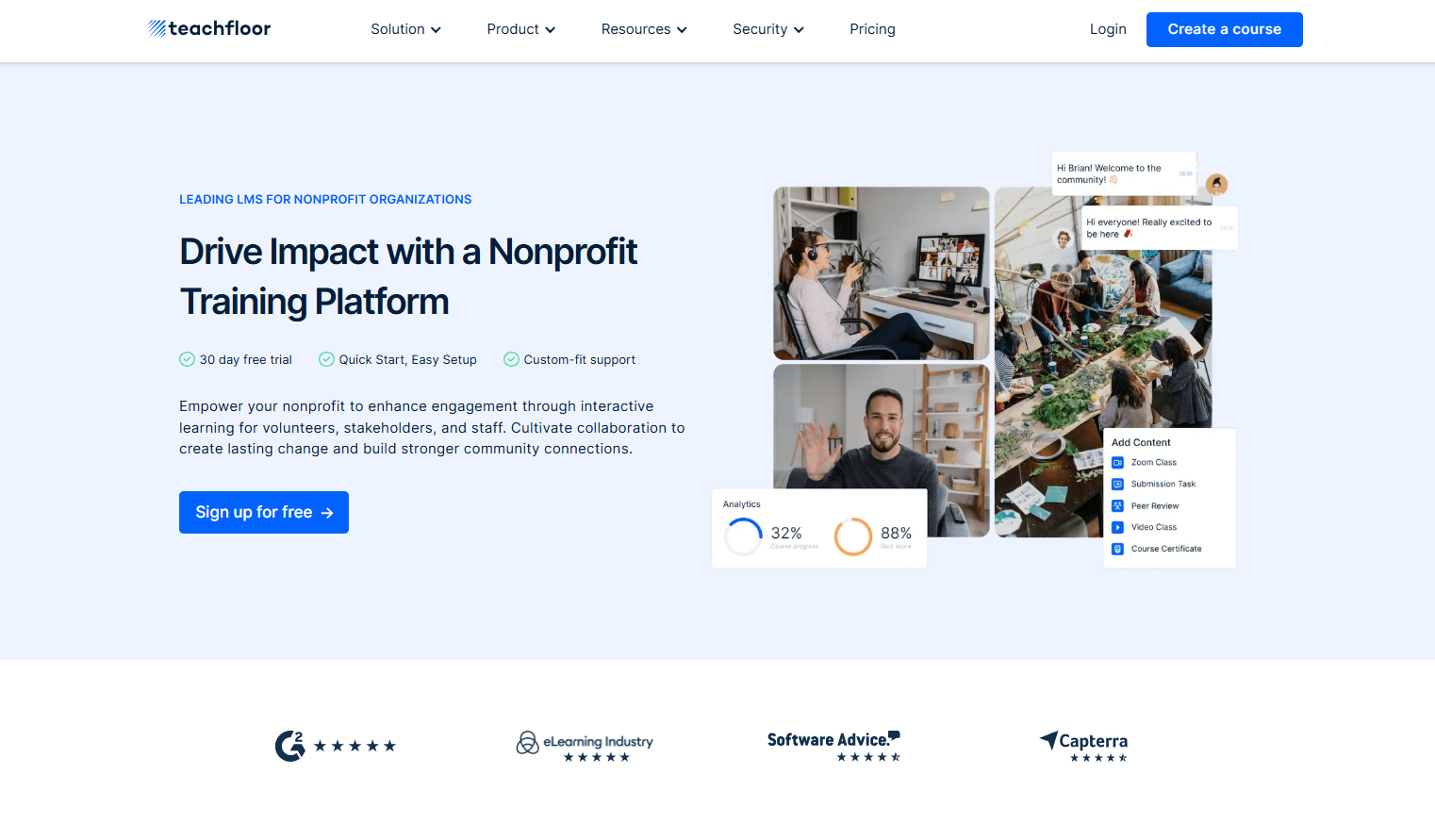
Automation adds another layer of support. Simple features like shift confirmations, follow up reminders, or automatically assigned training save staff a lot of time. Your team can spend less energy on repetitive tasks and focus more on building relationships with volunteers.
Data analytics ties everything together. When you can see trends in attendance, retention, and engagement, it becomes easier to make decisions that actually reflect how volunteers are interacting with your program. These insights help you adjust your approach so it continues to match volunteer needs and organizational goals.
When used with intention, technology becomes a support system for everyone involved. Volunteers get clarity and convenience. Staff get more time and better information. And the program becomes easier to manage as it grows.
Measuring Volunteer Impact and ROI
Measuring impact helps you understand the real value of your volunteer program. Many nonprofits track hours contributed or the number of active volunteers. While these numbers are useful, impact also includes outcomes linked to the mission. That might be the number of clients served, projects completed, or community improvements made possible because volunteers were involved.
Sharing results with volunteers helps them see the difference they are making. It also gives your team information that can be shared with funders, board members, or partners.
Dashboards and simple reports make it easy to review progress. When you measure impact regularly, you can see what is working and where support might be needed. This helps keep your program strong and aligned with both volunteer interests and organizational goals.
Legal, Ethical, and Compliance Considerations
Nonprofits have a responsibility to create a safe and respectful environment for volunteers. This includes clear agreements that outline expectations, policies, and boundaries. These agreements provide clarity but do not function like employment contracts.
Risk management is an important area as well. Liability coverage, incident reporting procedures, and safety guidelines protect both volunteers and the organization. Data protection is another key consideration, especially if volunteers share personal information.
Accessibility should also be part of your compliance approach. Ensuring that volunteer opportunities are reachable for people with diverse needs strengthens the inclusivity of your program.
When legal and ethical foundations are handled well, volunteers feel secure and confident in their role.
Common Challenges in Volunteer Management and How to Solve Them
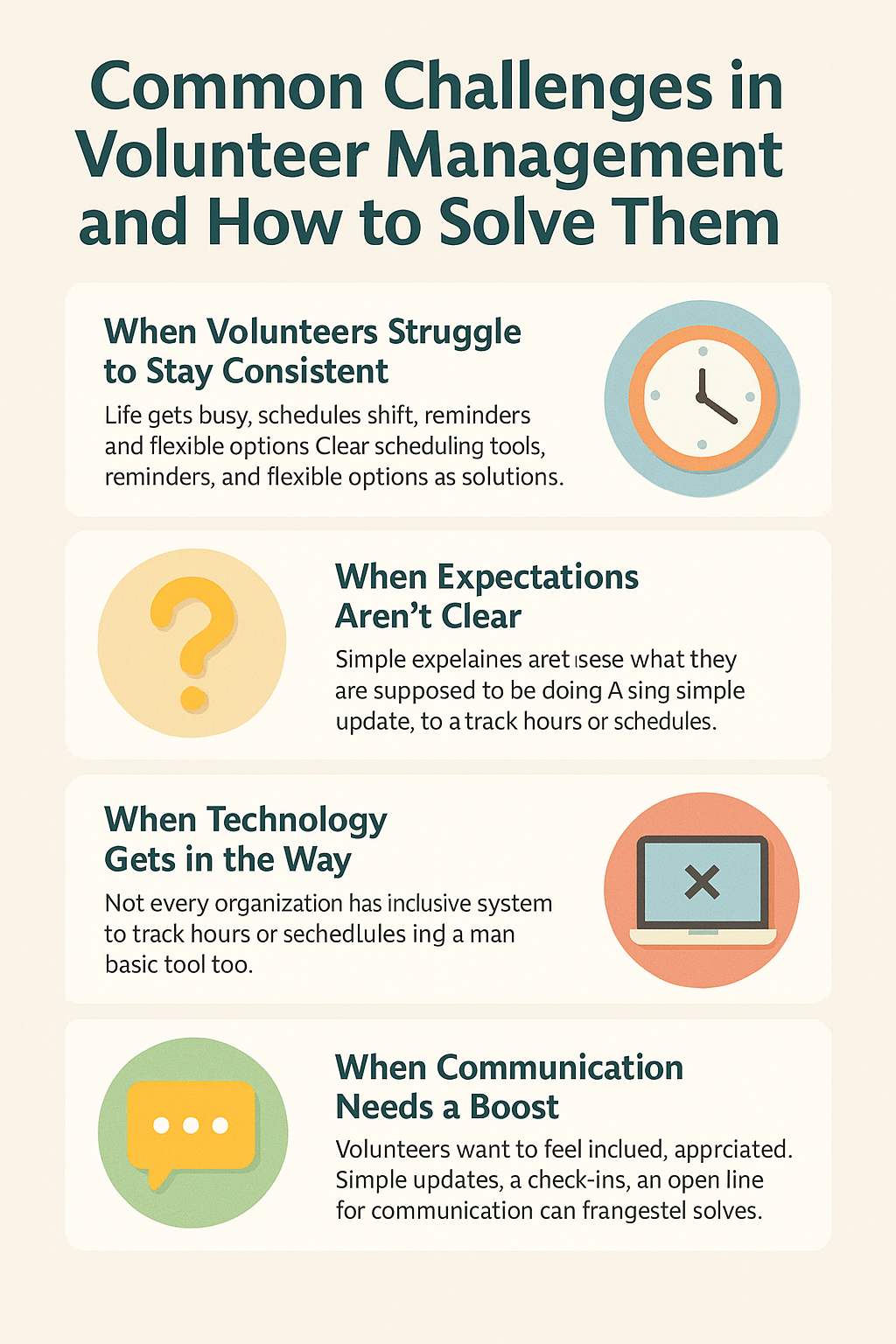
Every volunteer program runs into a few bumps along the way. It is completely normal, and most of the time, the issues have simple solutions once you know what to look for. The goal is not to avoid challenges altogether but to understand them early so you can respond in a way that supports both volunteers and staff.
When Volunteers Struggle to Stay Consistent
One of the most common situations nonprofits face is volunteers who sign up with genuine enthusiasm but have trouble following through. Life gets busy, schedules shift, and commitments change. Clear scheduling tools, friendly reminders, and flexible options help volunteers stay connected without feeling pressured. The easier it is for them to manage their time, the more likely they are to stay engaged.
When Expectations Aren’t Clear
If volunteers are not sure what they are supposed to be doing, frustration builds quickly. This usually is not because they lack interest but because they feel lost. A simple onboarding process, a quick walk through of responsibilities, and regular check ins can prevent these moments. People thrive when they know what is expected and who they can go to with questions.
When Technology Gets in the Way
Some teams face barriers with technology or inconsistent record keeping. Not every organization has the perfect system in place, and that is completely fine. Starting with a basic tool that tracks hours or schedules is often enough to bring order to the program. Once that foundation feels steady, you can add more features or switch to a more advanced platform if needed.
When Communication Needs a Boost
Many challenges soften once communication improves. Volunteers want to feel included, informed, and appreciated. A simple weekly update, a short check in, or an open line for questions helps them feel supported. When communication flows well, most problems become much easier to solve.
Conclusion
A thoughtful approach to volunteer management for nonprofits helps create a smooth and meaningful experience for everyone involved. Volunteers feel appreciated, supported, and connected to the mission. Staff members feel more confident because there is a clear system in place. The organization benefits from consistent engagement and stronger results.
As your program develops, the most important things to keep in mind are clarity, communication, and genuine care for the people who choose to give their time. When volunteers feel valued and prepared, they help elevate the impact of your nonprofit in ways that go far beyond the hours they contribute


