


Telehealth has become a central part of how healthcare organizations deliver care, but the shift to virtual appointments has exposed significant skill gaps across clinical teams.
Many providers know their specialty well yet still need structured telehealth training to communicate effectively on camera, evaluate patients remotely, manage digital tools and follow privacy requirements. These skills are not intuitive, and most medical programs still offer limited preparation for virtual care.
Training teams are now responsible for building learning experiences that help clinicians feel confident in remote settings and maintain the same quality of care they offer in person. This requires more than platform tutorials.
It involves preparing staff to adapt their clinical reasoning, adjust communication habits, guide patients through technology issues and document visits in a way that fits digital workflows.
This guide explores what effective virtual care training looks like, the competencies involved and the methods that help healthcare professionals develop them. The goal is to give learning professionals a clear understanding of how to design programs that support safe, reliable and patient centered telehealth services.
What Is Telehealth Training? A Complete Overview
Telehealth training is the structured development of the skills that clinicians, nurses and support staff need to deliver care through digital channels. It prepares healthcare professionals to manage patient interactions through video, phone or remote monitoring tools while maintaining safety, accuracy and clinical quality.
Traditional medical training focuses on in person examinations, shared physical space and direct observation. Virtual care changes that context.
Providers must interpret cues through a screen, guide patients through small tasks that replace physical examination steps and manage technology as part of the appointment itself. Telehealth training helps staff understand these differences and develop approaches that fit remote settings.
The scope of telehealth training is broad. It includes clinical communication, privacy and consent requirements, documentation workflows, digital literacy and strategies that support patient engagement online.
It also covers practical issues such as troubleshooting basic audio or camera problems and ensuring that visits meet regulatory expectations.
Healthcare organizations rely on telehealth training to create consistent standards across teams. Without a common framework, virtual care quality varies widely, which affects patient experience and clinical outcomes.
Well structured training reduces that variation and helps staff build confidence in a mode of delivery that is becoming part of routine practice.
Definition and scope of telehealth competencies
Telehealth competencies describe the set of skills a healthcare professional needs to deliver safe and effective care through digital channels. These competencies go beyond the ability to use a video platform.
They cover the clinical, communication and operational skills required to guide a patient through a remote visit with accuracy and confidence.
Key areas often included in telehealth competencies are:
- Clinical decision making adapted to remote assessment
- Clear and structured communication through video or phone
- Patient education that works without physical demonstrations
- Privacy and consent requirements for virtual appointments
- Documentation processes that align with digital workflows
- Basic troubleshooting for common technical issues
- Professional conduct that supports trust in a virtual setting
Together, these competencies form the foundation for a repeatable and safe telehealth practice across teams.
The core difference between in person and virtual care skills
| Area | In Person Care | Virtual Care |
|---|---|---|
| Information gathering | Physical examinations and direct observation in a shared space | Guided self assessment and visual observation through video |
| Communication | Natural use of body language, eye contact and informal cues | Intentional framing, clear verbal instructions and frequent check ins |
| Technology use | Limited reliance on digital tools during the consultation | Central role of telehealth platforms and remote monitoring tools |
| Environment control | Clinic controlled setting with predictable conditions | Shared responsibility for camera position, lighting and privacy |
| Patient engagement | Rapport supported by physical presence and informal interaction | Engagement built through structure, pacing and focused questions |
In person care relies on physical proximity. Providers gather information through touch, body language, environmental cues and immediate access to diagnostic tools.
Virtual care removes those elements and shifts the clinical interaction to a screen. The skills required for telehealth must therefore compensate for what is lost and strengthen what remains.
A few examples that highlight the difference:
- Remote visits require sharper verbal precision because providers cannot rely on physical cues or informal observation.
- Clinicians need alternative strategies to guide patients through self assessment tasks such as positioning a camera, describing symptoms or performing small movements.
- Digital environments demand greater awareness of privacy. Simple issues such as background noise or shared spaces can compromise confidentiality if not addressed.
- Technical fluency becomes part of the interaction. Providers must know how to handle minor disruptions without derailing the consultation.
Virtual care does not replace in person expertise. It reshapes how that expertise is expressed.
Why organizations need structured virtual care training programs
Healthcare organizations cannot rely on improvisation when remote visits become part of routine care. Structured training programs are essential to ensure that every provider follows consistent standards and understands how to deliver a reliable patient experience across digital channels.
Organizations benefit from well designed telehealth training because it supports:
- Consistent quality of care across clinics, departments and specializations
- Reduced risk tied to privacy, documentation and compliance
- Higher clinician confidence when navigating remote environments
- Better patient satisfaction through clearer communication and smoother workflows
- Faster onboarding for new staff who must begin delivering virtual care quickly
A structured program also creates a shared language across teams. This helps leaders evaluate performance, address gaps and introduce improvements without relying on individual interpretation. Telehealth becomes a coordinated practice rather than a series of disconnected efforts.
Key Skills Healthcare Professionals Need for Effective Virtual Care
Virtual care requires a specific set of skills that support safe and reliable patient interactions at a distance. These skills help clinicians adapt their expertise to digital environments and maintain the quality standards expected in traditional settings.
Telehealth training builds these abilities in a structured way so that providers can navigate remote visits with clarity and confidence.
Digital and diagnostic skills for remote assessment
Remote consultations limit the use of physical examination tools, so clinicians need strong observational and digital assessment techniques. They must know how to position the camera, interpret visual cues through a screen and guide patients through simple movements that support clinical judgment.
Familiarity with the telehealth platform is also essential, including the ability to conduct audio checks, adjust lighting and work with relevant digital tools.
Patient communication and rapport building online
Communication changes when the clinician and patient are not in the same room. Providers must speak with clarity, give step by step instructions and check for understanding more frequently.
Rapport building relies on tone, pacing and intentional presence, since non verbal signals are more limited. This skill set helps patients feel supported and reduces misunderstandings during the visit.
Telehealth etiquette and professional conduct
Patients expect professionalism even when the setting is virtual. Clinicians need to manage their environment, control background noise, ensure privacy and present themselves in a way that inspires trust.
Basic practices such as positioning the camera at eye level or confirming patient identity at the start of the visit are simple but important elements of virtual care.
Privacy and data security awareness
Telehealth introduces new risks related to patient information. Providers must understand the privacy rules that apply to virtual appointments, including consent requirements, secure communication practices and proper handling of digital records.
Awareness of these responsibilities helps maintain regulatory compliance and protects patient trust.
Workflow and documentation skills
Remote care has its own operational rhythm. Providers need to move through pre visit preparation, documentation and follow up tasks in a way that fits digital workflows. Clear, timely notes and consistent reporting are essential for continuity of care, especially when multiple team members are involved.
These skills form the core of effective telehealth practice. When clinicians develop them through structured training, they are better equipped to deliver high quality virtual care across a range of clinical scenarios.
Designing a Telehealth Training Program: Methods and Models
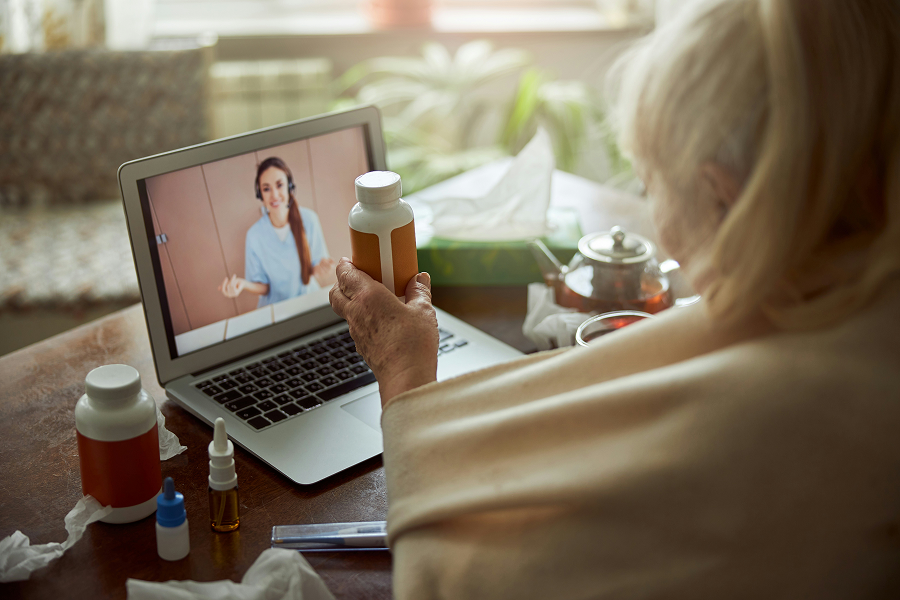
A strong telehealth training program helps clinicians develop the competencies required for safe and consistent virtual care. Effective programs focus on realistic practice, measurable outcomes and structured feedback.
The goal is to give healthcare professionals the confidence to handle remote visits without relying on trial and error.
Competency based learning frameworks
Training works best when it is built around clearly defined skills. A competency based approach helps teams map what clinicians need to know and how those abilities will be assessed. This structure guides curriculum development and ensures that each activity contributes to a measurable outcome.
Key steps usually include:
- Identify required telehealth competencies
- Create clear performance indicators for each skill
- Design learning activities that support these indicators
- Use rubrics or checklists to evaluate performance
This approach creates transparency for both learners and instructors.
Scenario based learning
Scenarios help clinicians apply telehealth skills in realistic situations. They present common clinical challenges and encourage learners to decide how they would communicate, assess or guide a patient through a remote visit. Scenarios can range from simple decision points to full case walkthroughs.
Examples might include:
- Chronic care follow up with limited patient mobility
- Urgent care triage with incomplete information
- A first time patient struggling with basic technology
These situations encourage clinical reasoning within the constraints of virtual care.
Clinical simulations
Simulations allow healthcare professionals to practice in controlled environments before interacting with real patients. They can be delivered through role play, standardized patients or AI generated interactions.
Simulations support repeated practice and immediate feedback, making them useful for developing communication habits and remote assessment techniques.
Peer learning and collaborative case reviews
Telehealth often requires judgment calls, which makes peer learning valuable. Case reviews and group discussions allow clinicians to compare approaches, share reasoning and learn from different perspectives. These sessions help reduce variability in practice and strengthen team alignment.
Blended learning models
A telehealth training program can combine self paced content with instructor led sessions. Self paced modules introduce foundational concepts, while live sessions focus on practice, questions and feedback.
This model works well for busy healthcare teams because it adapts to varied schedules and learning needs.
Structured practice and evaluation
Training should provide opportunities for repeated practice followed by clear feedback. This may involve submitting recorded telehealth interactions, completing mock visits or participating in short guided exercises. Evaluation tools such as checklists and scoring rubrics help instructors measure progress and identify areas for improvement.
A well designed telehealth training program is not built around tools alone. It prepares clinicians to manage communication, workflows and clinical decision making in a digital environment. Methods that combine structure, practice and reflection create the strongest foundation for long term adoption of virtual care.
Technology Requirements and Tools for Telehealth Training
| Category | Required Features | Why It Matters |
|---|---|---|
| Learning platform | Progress tracking, assessments, role based access, secure content management | Provides structure for clinical training and ensures sensitive material is handled safely |
| Telehealth software | Video consultations, screen sharing, patient identity verification, stable connection tools | Reflects the environment clinicians will use with patients and supports realistic practice |
| Simulation tools | Case creation, mock visits, recording and review options | Allows learners to practice communication and assessment techniques in a controlled setting |
| AI tools | Content generation, automated feedback, scenario creation | Helps instructors scale training materials and support consistent development across teams |
| Practice environment | Quality lighting, adjustable cameras, secure networks | Creates realistic conditions for training and improves the accuracy of remote assessments |
A telehealth training program relies on technology that supports realistic practice, skill development and secure learning environments. The goal is not to overwhelm clinicians with tools but to provide a setup that mirrors the conditions they will face during real virtual visits.
Learning platforms suited for healthcare training
Training teams need a platform that can organize content, track progress and support interactive activities. A suitable learning system should allow instructors to create modules, run assessments, host discussions and collect feedback.
It must also offer reliable user management, clear reporting and integration with tools commonly used in healthcare organizations. Compliance features such as access controls, secure storage and audit trails are valuable when handling sensitive material.
Telehealth software used for practice
Clinicians should train with the same type of software they will use with patients. This helps reduce friction when they transition to real visits.
Common features include video conferencing, screen sharing, patient identity verification and basic troubleshooting tools. For some specialties, remote monitoring devices and digital diagnostic tools may also be part of the training environment.
AI supported training tools
AI tools can strengthen telehealth training by offering automated feedback, generating varied practice cases and simulating patient interactions.
These tools help instructors scale their efforts, especially when teams are large or geographically distributed. AI generated prompts, role play scenarios or performance insights can improve consistency and support faster skill development.
Creating realistic practice environments
Telehealth training needs setups that reflect real clinical conditions. This might involve dedicated practice rooms with proper lighting, adjustable cameras and secure network connections.
It can also include templates for structured sessions, embedded checklists or tools that allow learners to review recorded interactions. The goal is to give clinicians a space where they can practice until remote interactions feel natural and predictable.
Technology does not replace the need for strong instructional design, but it does shape how well learners can practice and apply telehealth skills. When the tools align with clinical workflows and support hands on learning, training programs become more effective and scalable.
How Teachfloor Supports Telehealth Training
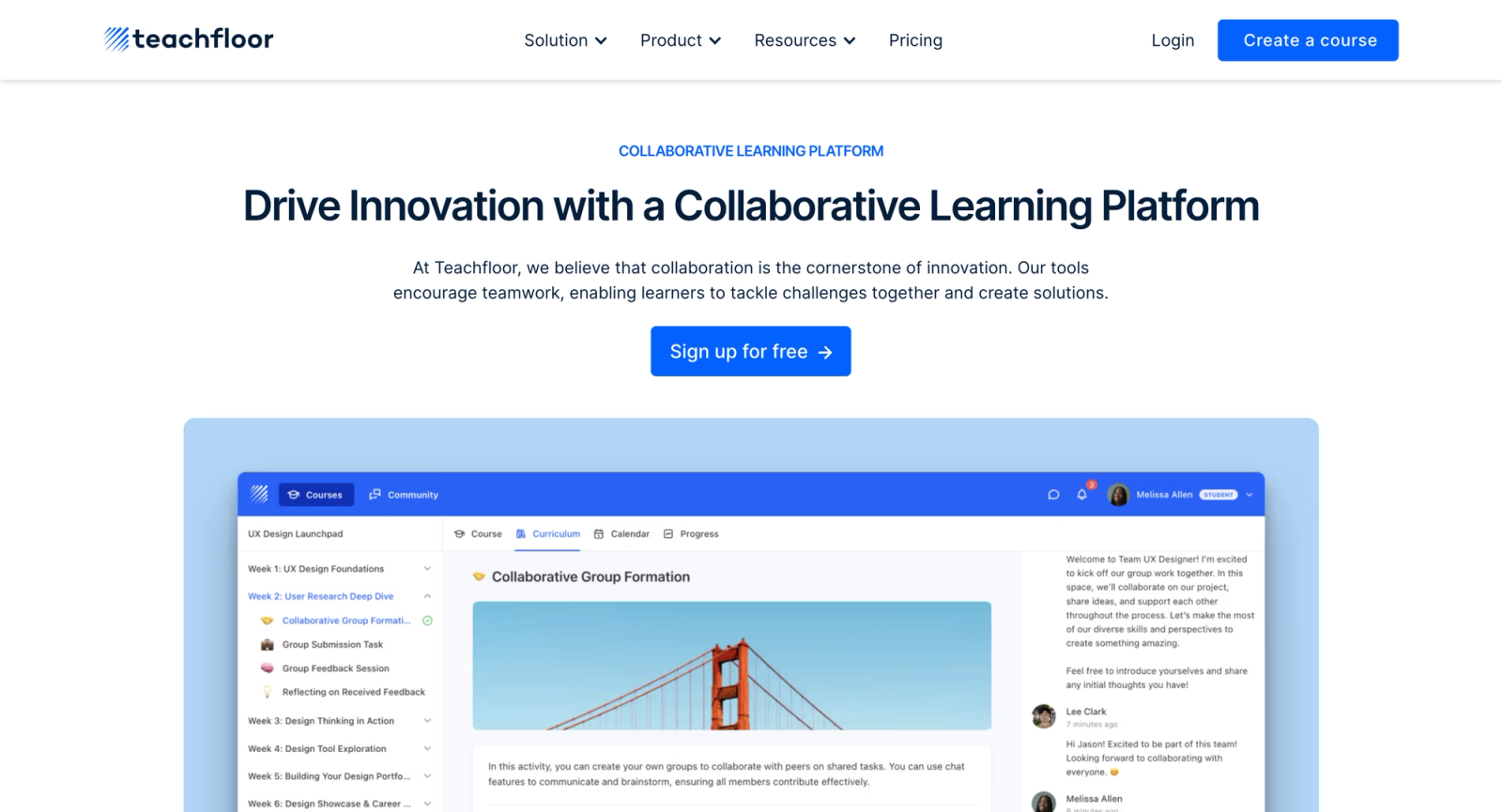
Teachfloor gives healthcare organizations a clear way to design, deliver and manage telehealth training. The platform focuses on practical skill development and provides tools that help instructors create structured learning paths that reflect real virtual care workflows.
Teachfloor supports telehealth training through:
- Competency based modules that map required skills to measurable outcomes
- Interactive activities such as case discussions, peer review and instructor evaluations
- Recorded simulations that allow clinicians to practice remote communication and assessment
- Clear tracking and assessments that help teams understand who is ready for virtual care
- Custom rubrics that bring consistency to feedback and performance reviews
- Community spaces where learners can discuss challenges and share examples from practice
- AI assisted content creation for scenarios, quizzes and guidance that reduce instructor workload
These elements help organizations turn telehealth training into a structured, repeatable process rather than a one time orientation. Teachfloor provides the environment, tools and workflow needed to support clinicians as they build confidence in virtual care and deliver a consistent experience to patients.
Frequently Asked Questions
What is telehealth training?
Telehealth training is a structured learning process that prepares clinicians to deliver care through digital channels. It covers communication skills, remote assessment techniques, privacy requirements, documentation workflows and the technical abilities needed for virtual care.
Why do clinicians need specific training for virtual care?
Remote care changes how assessments and conversations take place. Clinicians must adapt their communication style, guide patients through tasks that replace physical examination steps and handle common technical issues. Training reduces variability and supports safe, consistent care.
What competencies are most important in telehealth training?
Key competencies include clear communication, remote clinical reasoning, privacy awareness, digital literacy, documentation skills and the ability to establish rapport in a virtual setting.
How can organizations design an effective telehealth training program?
Strong programs use competency based frameworks, scenario based activities, simulations, peer learning and structured evaluation. Blended learning models often work well because they balance flexibility with guided practice.
What technology is required for telehealth training?
Organizations need a secure learning platform, telehealth software for practice, tools for assessment and features that support collaboration. AI enhanced tools can help generate content and offer feedback at scale.
How does Teachfloor support telehealth training?
Teachfloor provides tools for competency based modules, peer review, simulations, skills tracking and AI supported content creation. These features help training teams design programs that reflect real virtual care workflows and support consistent improvement.
Can telehealth training improve patient outcomes?
Yes. When clinicians are trained to communicate clearly, assess remotely with confidence and follow structured workflows, patients experience smoother visits, clearer guidance and higher continuity of care.


