Explore what a Headless LMS is, how it works, and why Agentic Learning Systems are redefining enterprise learning in the AI era.
.avif)
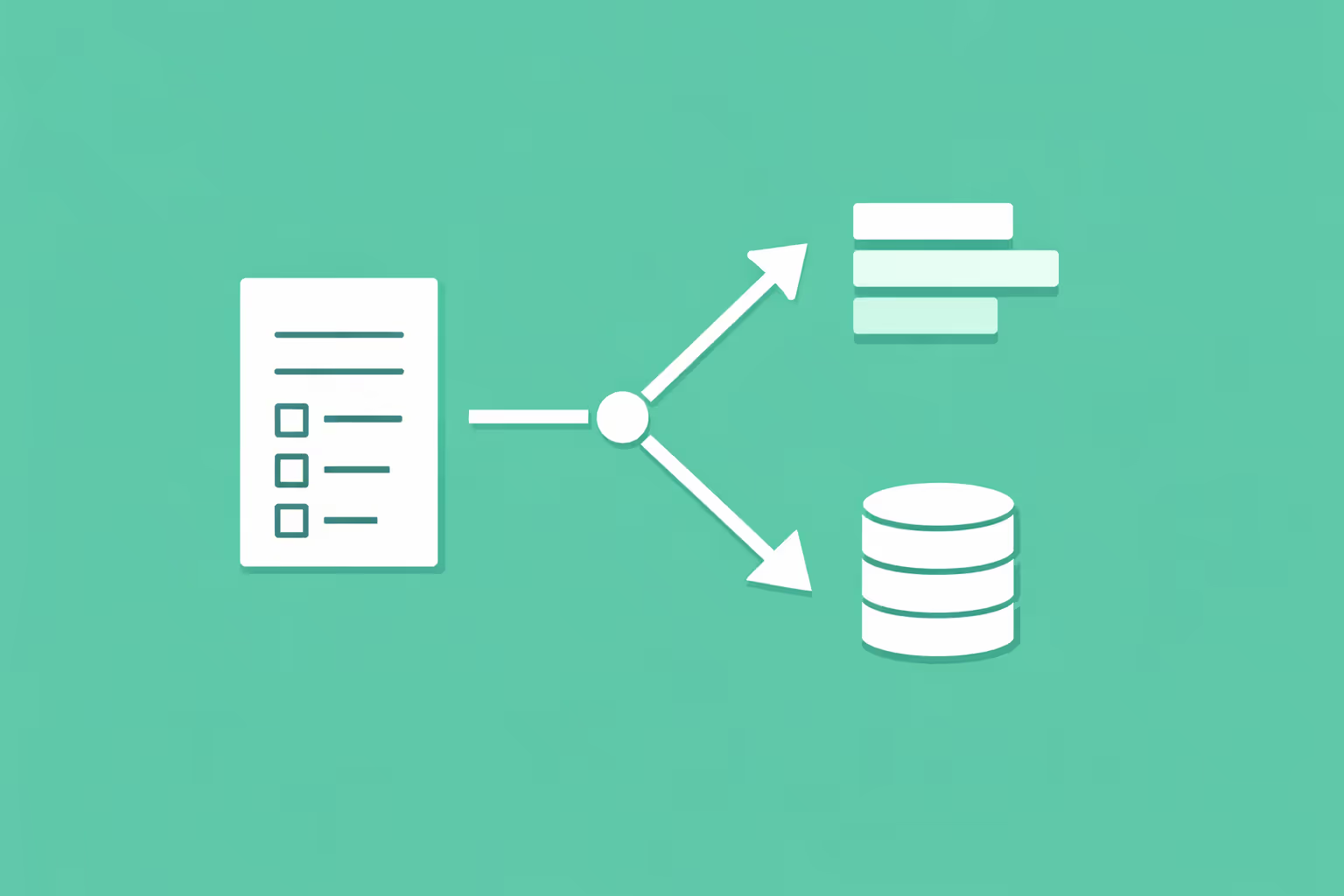
Data splitting divides datasets into train, validation, and test sets. Learn how each subset works, common methods, and mistakes to avoid.

Data dignity is the principle that people should have agency, transparency, and fair compensation for the personal data they generate. Learn how it works and why it matters.
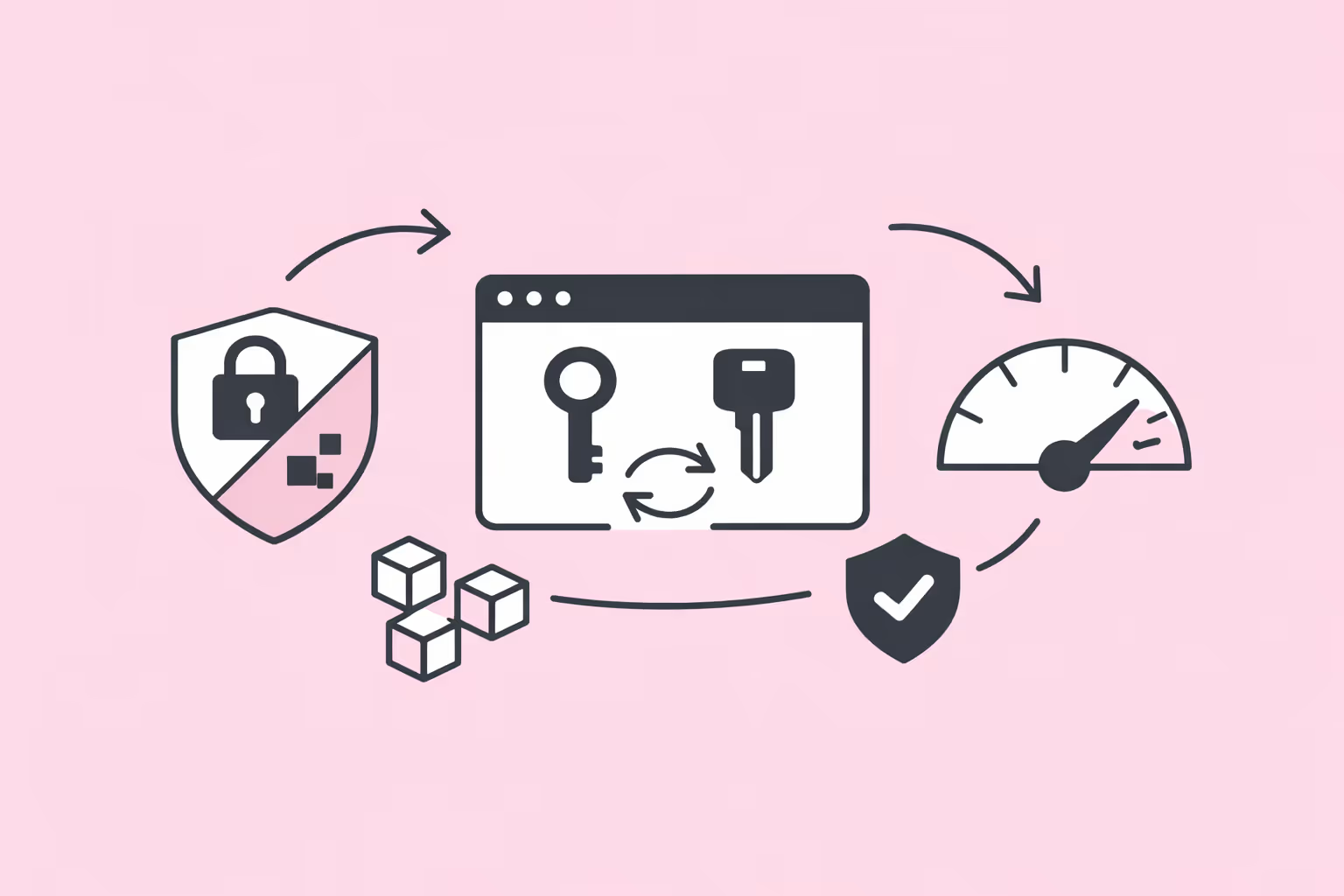
Crypto-agility is the ability to swap cryptographic algorithms without rebuilding systems. Learn how it works, why it matters, and how to implement it.
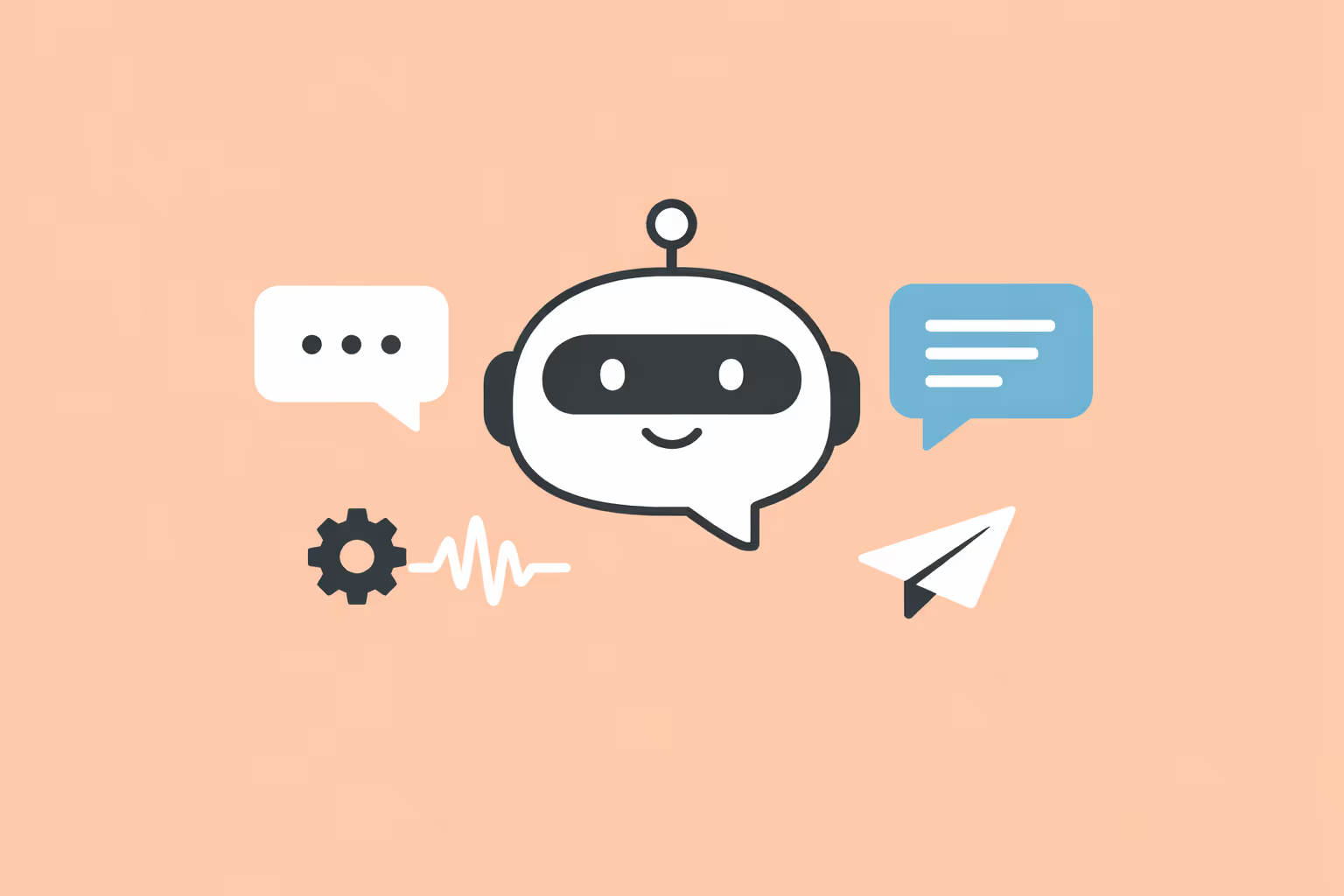
Learn what conversational AI is, how it works, and where it applies. Explore real use cases, key benefits, and how to evaluate solutions for your organization.
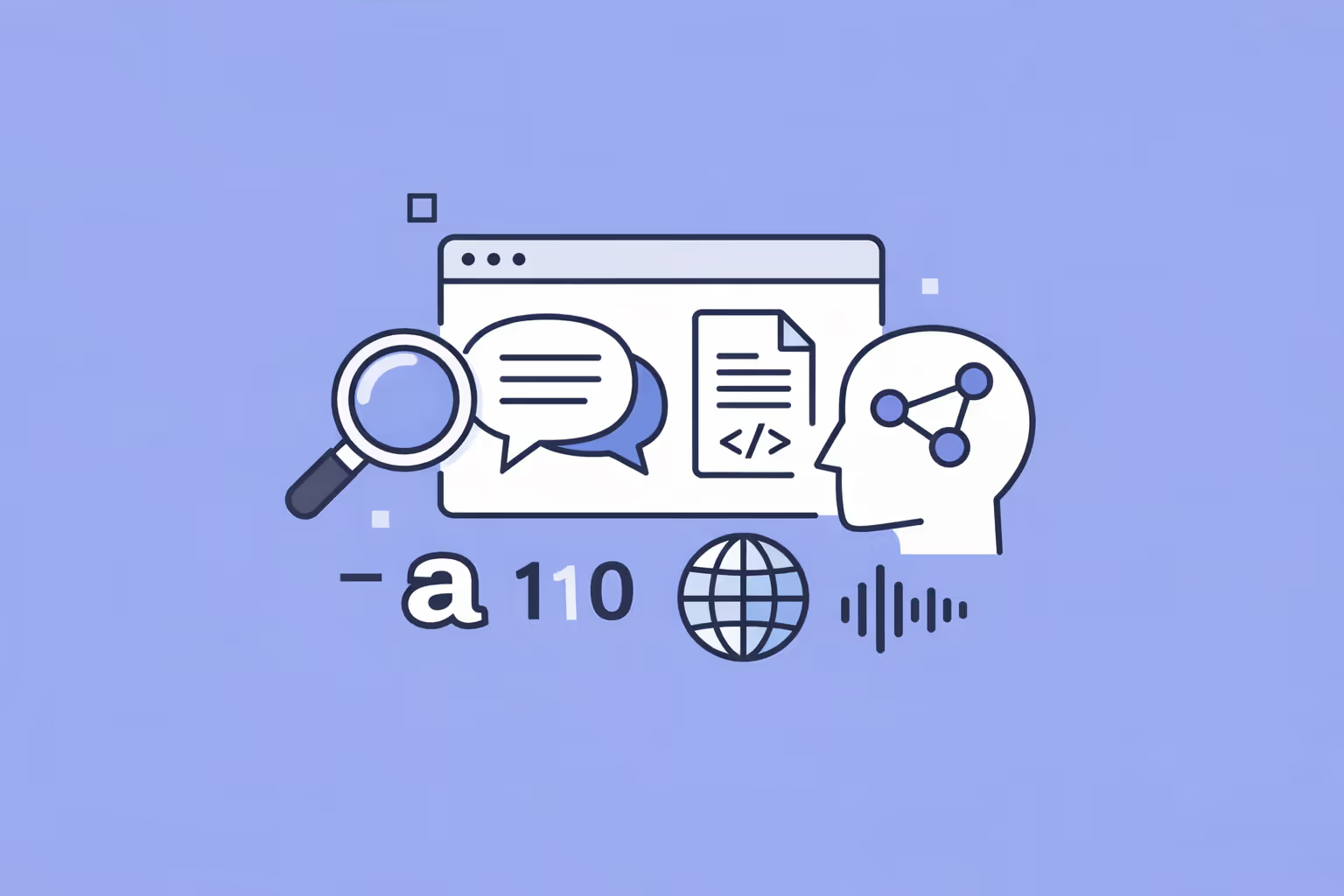
Learn what computational linguistics is, how it bridges language and computer science, its core techniques, real-world applications, and career paths.
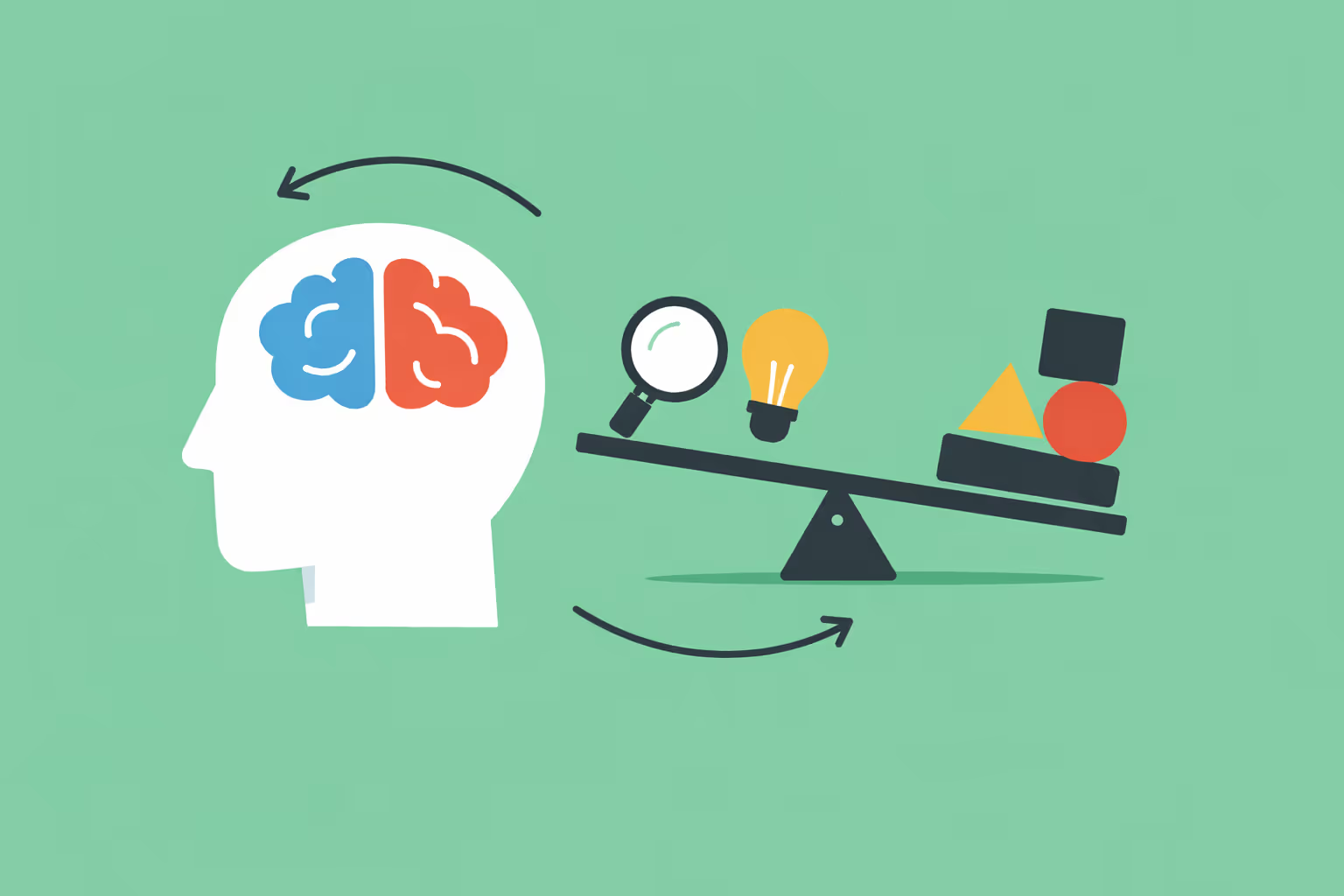
Cognitive bias is a systematic pattern in how people process information and make decisions. Learn the most common types, real examples, and practical strategies to reduce bias.
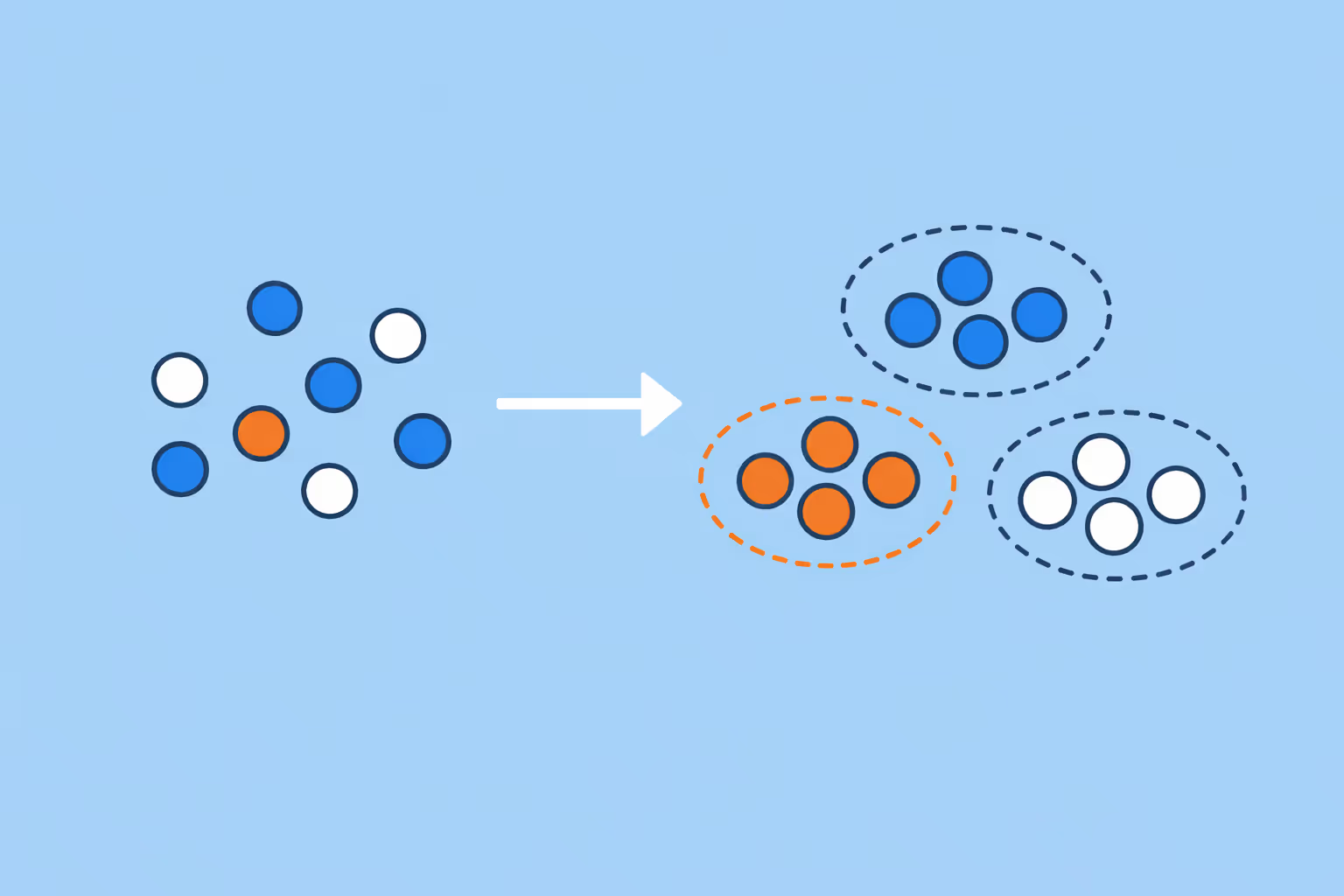
Clustering in machine learning groups unlabeled data by similarity. Learn the key methods, real-world use cases, and how to choose the right approach.

Learn what ChatGPT Enterprise offers, how its pricing works, key features like data privacy and admin controls, and practical use cases across industries.

Chain-of-thought prompting explained: learn what CoT is, how it works, see practical examples, and master techniques for improving AI reasoning step by step.

Learn what a convolutional neural network is, how CNNs process visual data, their real-world applications, and the key limitations practitioners should know.

Learn what cognitive search is, how it differs from keyword search, its core components, and real enterprise examples across industries.

Cognitive modeling uses computational methods to simulate human thought. Learn key approaches, architectures like ACT-R and Soar, and real-world applications.

Learn what cognitive computing is, how it works, and where it applies. Explore real use cases, key benefits, and how it differs from traditional AI.
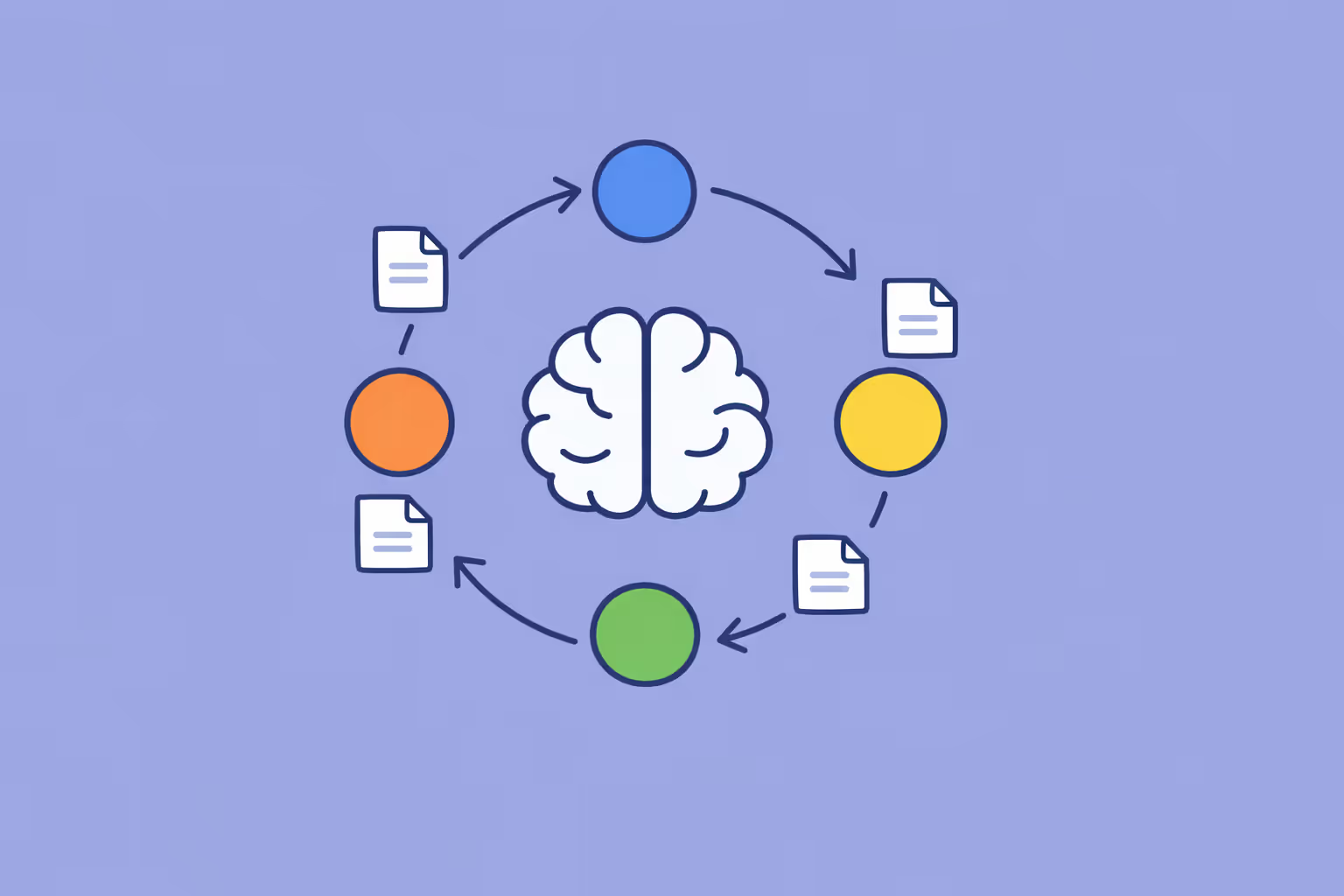
Learn what case-based reasoning (CBR) is, how the retrieve-reuse-revise-retain cycle works, and see real examples across industries.

Bayes' theorem updates probability estimates using new evidence. Learn how it powers machine learning models like Naive Bayes, spam filters, and more.

Learn how the backpropagation algorithm trains neural networks, why it remains essential for deep learning, and where it applies in practice.
Learn what case-based reasoning (CBR) is, how the retrieve-reuse-revise-retain cycle works, and see real examples across industries.
Explore the 10 best Easygenerator alternatives. Compare features, pricing, and use cases to find the right authoring tool for your team.

Learn what BERT is, how masked language modeling and transformers enable bidirectional understanding, and explore practical use cases from search to NER.

Autonomous AI refers to self-governing systems that operate without human intervention. Learn its capabilities, real-world applications, limitations, and safety.

Automated reasoning uses formal logic and algorithms to prove theorems, verify software, and solve complex problems. Explore how it works, types, and use cases.
%201.avif)
AutoML automates the end-to-end machine learning pipeline. Learn how automated machine learning works, its benefits, limitations, and real-world use cases.

Augmented intelligence enhances human decision-making with AI-powered insights. Learn the definition, key benefits, and real-world use cases across industries.

Assistive technology helps people with disabilities perform tasks more independently. Learn about types, AI-powered examples, and workplace applications.

Artificial superintelligence (ASI) refers to AI that surpasses all human cognitive abilities. Learn what ASI means, its risks, and alignment challenges.

AIaaS (AI as a Service) lets businesses access AI capabilities on demand. Learn what it is, how it works, key providers, and when to use it.
%201.svg)
%201.svg)